Nostradamus, Baba Vanga, and Bhavishya Malika: Shared Prophecies of Doom
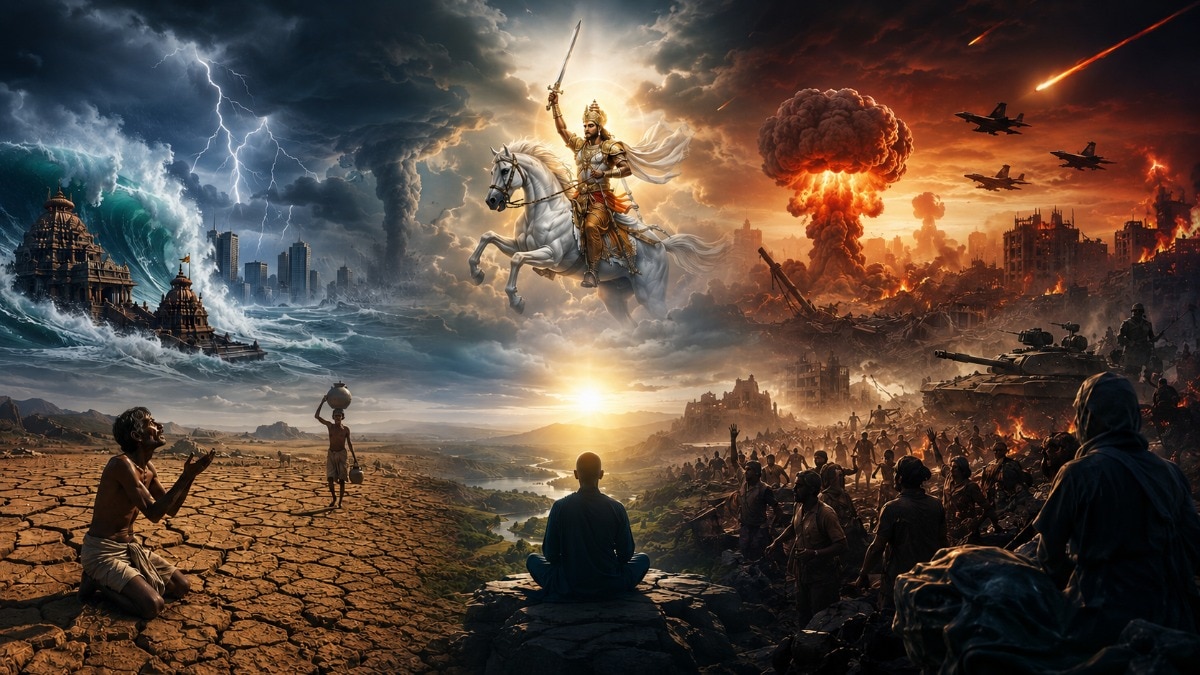
Ancient prophecies from figures like Nostradamus, Baba Vanga, and the Indian text Bhavishya Malika share striking similarities, according to a recent report. These predictions, spanning centuries, suggest the world is on the brink of a devastating cycle. The Bhavishya Malika, an ancient Indian scripture, is said to contain forewarnings about future events. Similarly, the renowned French astrologer Nostradamus, who lived in the 16th century, is known for his cryptic prophecies. Baba Vanga, a Bulgarian mystic who died in 1996, also made numerous predictions about global events. The common thread among these diverse sources is a dire outlook for humanity. The report highlights these shared warnings as particularly chilling. It suggests that these ancient seers, despite their different eras and backgrounds, foresaw a similar path of destruction. The article aims to explore these specific prophecies and their potential implications for the future.
This report highlights a recurring theme of apocalyptic predictions across different cultures and historical periods, from 16th-century Europe to ancient India and 20th-century Bulgaria. Such narratives often gain traction during times of societal anxiety, reflecting collective fears about the future. The convergence of these disparate prophecies may speak more to shared human concerns and the enduring appeal of prophetic discourse than to any literal foretelling. In an era increasingly shaped by technological advancement and complex global challenges, the public's engagement with such predictions warrants examination of the underlying societal needs for certainty or explanation in the face of uncertainty. Understanding the psychological and cultural drivers behind belief in prophecy can offer insights into how societies process change and risk.
AI-generated to prompt reflection — not editorial opinion, not advice, not a statement of fact. How this works.