Noto's 'Abare Festival' Reaches Climax with Mikoshi Thrown into River and Burned
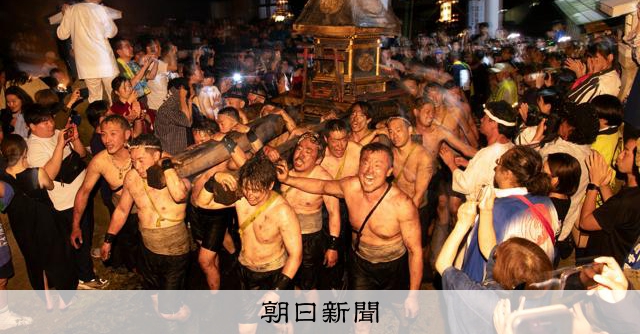
The 'Abare Festival' in Noto, Japan, reached its peak excitement as a portable shrine, known as a mikoshi, was thrown into a river and set ablaze. This dramatic ritual is a central part of the festival's intense atmosphere. The event draws significant attention for its unique and fiery traditions. Participants and spectators gather to witness the spectacle, which has been a long-standing custom in the region. The festival is known for its energetic and sometimes chaotic celebrations, reflecting deep-rooted cultural practices. The burning of the mikoshi symbolizes a purification or offering, though the exact origins and meanings can vary. This year's festival saw a particularly high level of fervor, with the climax being the dramatic submersion and ignition of the shrine. The Abare Festival is a key cultural event for Noto, attracting visitors and reinforcing local identity.
The 'Abare Festival' highlights the powerful intersection of cultural tradition and public spectacle. The ritualistic burning of the mikoshi, while visually striking, prompts consideration of resource management and environmental impact in the context of large public gatherings. From a systems perspective, such events demonstrate the enduring human need for communal expression and catharsis, which can be leveraged for cultural preservation and tourism. However, the long-term sustainability of traditions involving significant material destruction or potential environmental risk warrants ongoing evaluation, particularly as societal values evolve towards greater ecological awareness and safety protocols.
AI-generated to prompt reflection — not editorial opinion, not advice, not a statement of fact. How this works.