Nova Brasilândia Hosts Blood Drive to Boost Regional Blood Supply
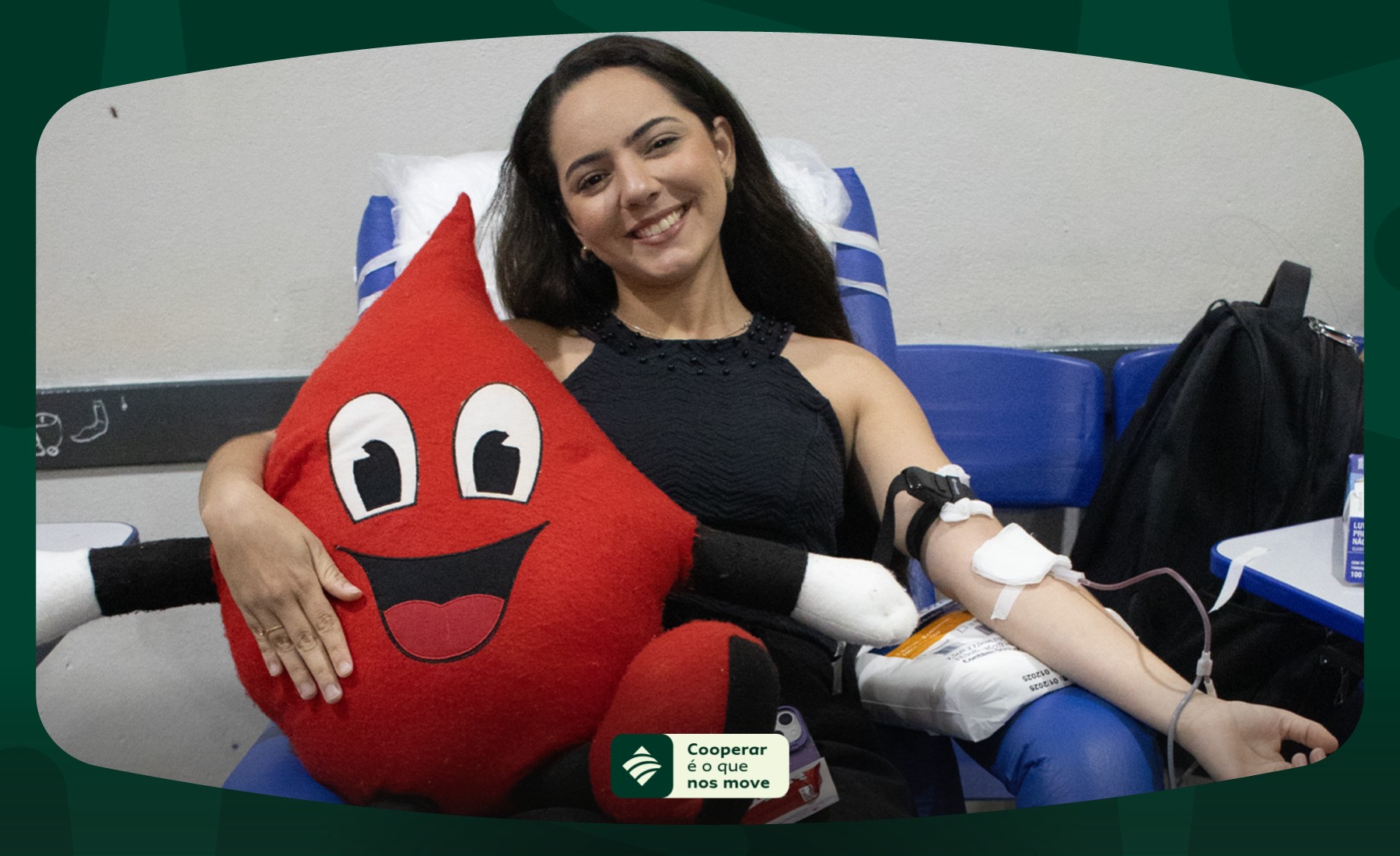
The CrediSIS CrediBrás cooperative is organizing its fifth annual Blood and Bone Marrow Donation Campaign in Nova Brasilândia d'Oeste, Rondônia, on July 10th and 11th. The event, held at Escola Estadual Aurélio Buarque de Holanda, aims to increase the local blood supply and raise awareness about the continuous need for donations. This initiative partners with the Rondônia Hematology and Hemotherapy Foundation (Fhemeron) and receives support from the Municipal Health Secretariat. The campaign addresses the lack of a permanent blood collection unit in Nova Brasilândia d'Oeste, which typically requires residents to travel over 60 kilometers to Rolim de Moura, thereby reducing participation barriers. On Friday, July 10th, donations will be accepted from 5 PM to 7 PM, and on Saturday, July 11th, from 7 AM to 3 PM. Last year, the campaign collected 130 bags of blood, and in 2025, it collected 173 bags, demonstrating growing community involvement. Each blood donation can benefit up to four individuals, supporting surgeries, emergencies, cancer treatments, and other critical medical needs. To be eligible, donors must be between 16 and 69 years old, weigh at least 50 kilograms, be in good health, and present official photo identification. Minors require parental consent, and individuals over 60 can donate if they have prior donation experience. Donors are advised to be well-fed, hydrated, have slept at least six hours, and avoid fatty foods and alcohol before donating. The event also allows for bone marrow donation registration.
This blood donation drive exemplifies how cooperative organizations can leverage their community presence to address public health needs, particularly in areas with limited access to essential services. By bringing Fhemeron's collection facilities directly to Nova Brasilândia d'Oeste, CrediSIS CrediBrás mitigates logistical challenges that often hinder voluntary blood donation. The initiative's success, evidenced by increasing participation and collected units in previous years, highlights the effectiveness of localized outreach and the power of collaborative efforts between private entities, public health agencies, and local government. Looking ahead, such models could inform strategies for improving healthcare accessibility in underserved regions, potentially reducing reliance on centralized facilities and fostering greater civic engagement in public health initiatives. The campaign's focus on maintaining year-round blood stocks underscores a systemic challenge in blood supply management, where seasonal or event-driven drives are crucial but may not fully address constant demand.
AI-generated to prompt reflection — not editorial opinion, not advice, not a statement of fact. How this works.