Nova Europa Residents Face Daily Water Scarcity, Forcing Difficult Choices
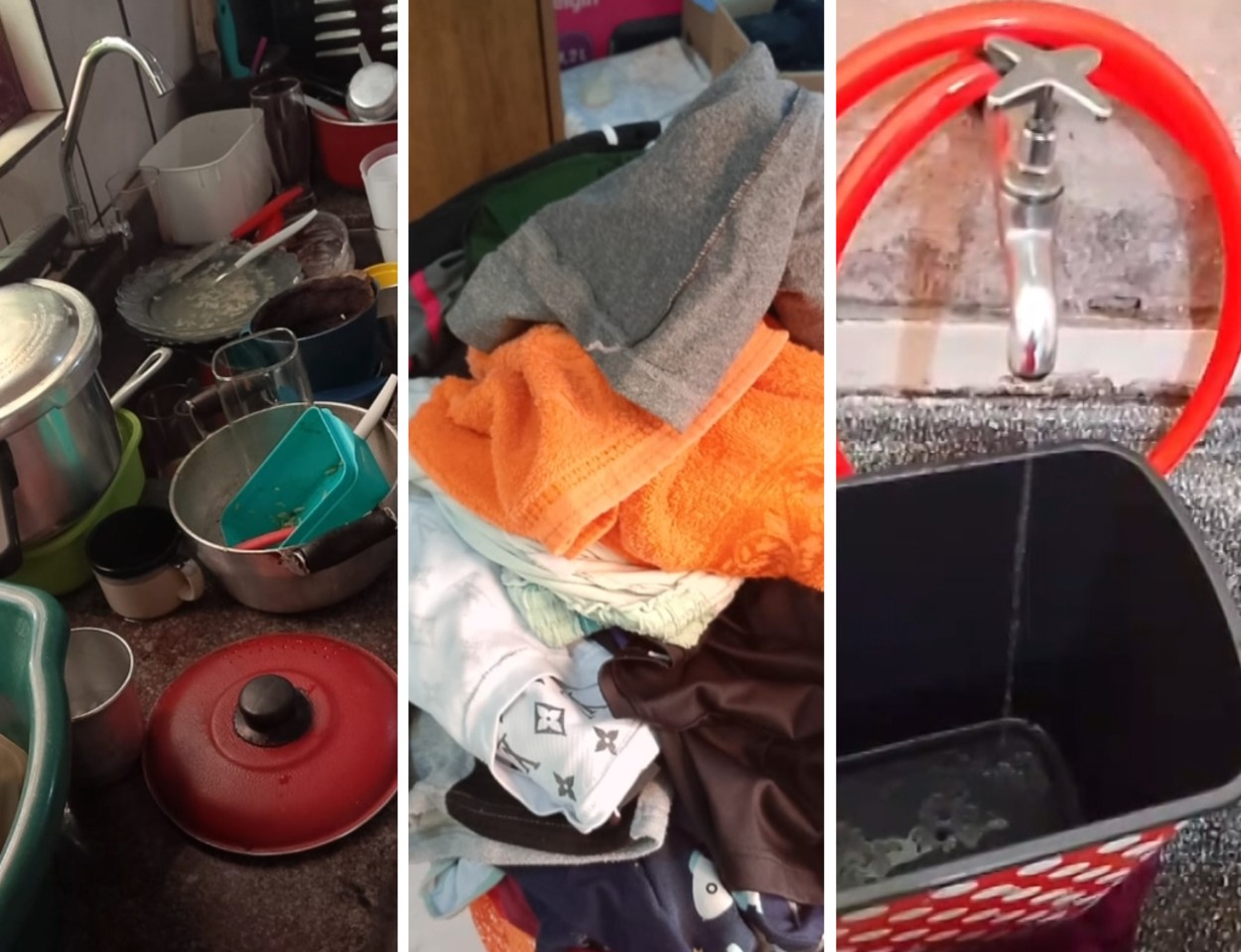
Residents of the Jardim São Paulo neighborhood in Nova Europa, São Paulo state, are enduring a persistent water shortage that has become a daily reality. The lack of water, which can last for consecutive days, disrupts essential tasks such as bathing and cleaning the house, forcing inhabitants to constantly monitor their taps. The situation has led to accumulated dirty dishes and laundry, as residents must prioritize water usage between personal hygiene and household chores. Some residents have resorted to extreme measures, like wearing unwashed clothes to work due to the inability to do laundry.
The municipal government attributes the water supply issues to the deactivation of a cracked reservoir. To address this, they are constructing a new reservoir with triple the capacity of the previous one, which is expected to be completed in four months. The current water supply relies on a 100,000-liter tank, a reduction from the previous 200,000-liter capacity. The Secretary of Sanitation, Ivan Kaneta, stated that improvements have been made to the artesian well to prevent mechanical failures, including reinforcing the well to avoid constant pump burnout. He also explained that occasional discoloration or cloudiness in the water is due to pressure fluctuations after reconnection or debris dislodged from pipes during dry periods, assuring that the water is treated.
The prolonged water scarcity in Nova Europa's Jardim São Paulo highlights critical infrastructure challenges in Brazilian municipalities. The reliance on a single, aging reservoir and subsequent deactivation due to structural damage points to potential underinvestment in essential public services. While the construction of a larger reservoir signals a commitment to resolving the issue, the four-month projected completion time underscores the immediate hardship faced by residents. This situation raises questions about the long-term planning and maintenance strategies for water infrastructure in similar communities, particularly in the context of climate variability and population growth. Future resilience may depend on diversifying water sources and implementing more robust, proactive maintenance protocols to prevent such disruptions.
AI-generated to prompt reflection — not editorial opinion, not advice, not a statement of fact. How this works.