Nova Friburgo Leaders Discuss Road Projects and Light Rail Transit Revival
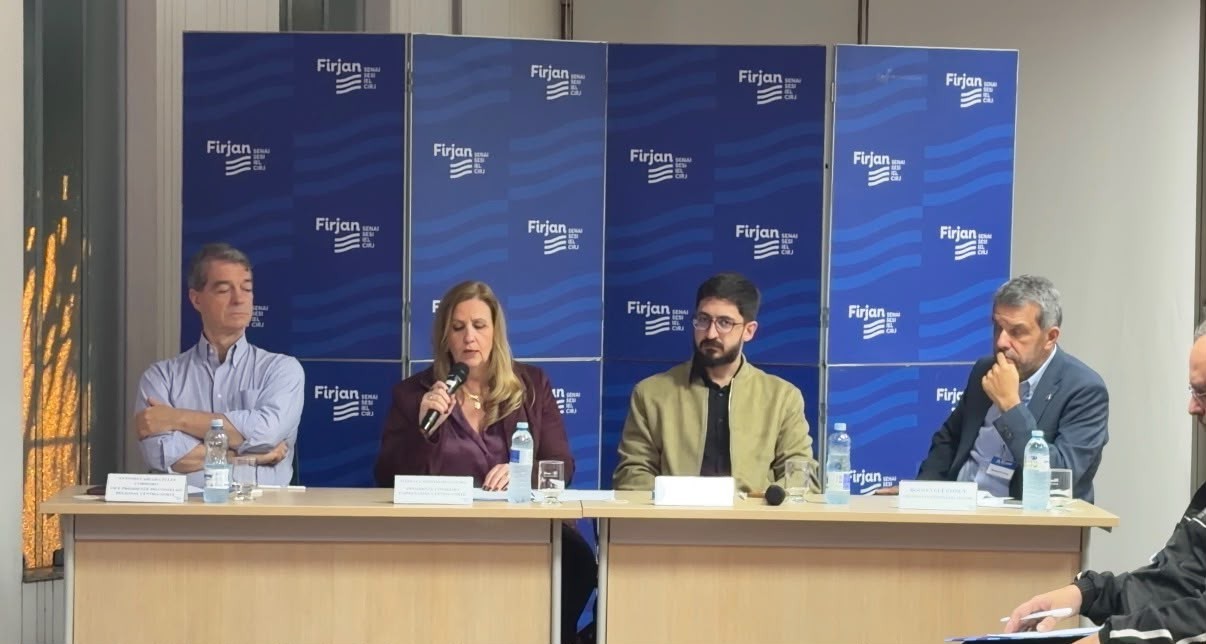
Business leaders from Firjan and the Nova Friburgo Commercial, Industrial, and Agricultural Association (Acianf) have reconvened to address long-standing mobility challenges in the municipality. Key topics included the proposed Estrada do Contorno, the renewal of the RJ-116 highway concession, and the potential implementation of a Light Rail Transit (VLT) system. The Estrada do Contorno aims to reroute heavy truck traffic away from densely populated areas like Duas Pedras, Paissandu, and the city center, a concept first explored in 2015. At that time, the Rota 116 concessionaire estimated the feasibility study cost at R$1.1 million, a figure now projected to reach up to R$4 million. Discussions also centered on the RJ-116 concession renewal, with ongoing debates regarding toll prices and demands for increased investment in this crucial access route. The VLT project, previously considered about a decade ago, was revisited as a potential urban transport solution utilizing the disused railway line. Following the meeting, it was agreed that representatives from Firjan and Acianf would meet with the Nova Friburgo City Hall to explore the feasibility of a technical study for the VLT system's implementation.
The revival of discussions around the Estrada do Contorno, RJ-116 concession, and VLT in Nova Friburgo highlights persistent urban planning challenges related to infrastructure and mobility. The significant increase in the estimated cost for the Estrada do Contorno's feasibility study, from R$1.1 million in 2015 to R$4 million currently, reflects broader inflationary pressures and potentially evolving project scope. The ongoing debate over the RJ-116 toll and investment underscores the tension between public service provision and the financial models of private concessionaires. The re-emergence of the VLT concept, leveraging existing rail infrastructure, presents an opportunity for sustainable urban transport, but its viability hinges on detailed technical and financial studies, as well as political will. These discussions, spanning over a decade, suggest a need for more robust, long-term strategic planning and potentially innovative financing mechanisms to overcome inertia and bring these critical infrastructure projects to fruition in the face of evolving urban needs and economic conditions.
AI-generated to prompt reflection — not editorial opinion, not advice, not a statement of fact. How this works.