Nova Friburgo Partnership Aims to Keep Young People in Rural Farming
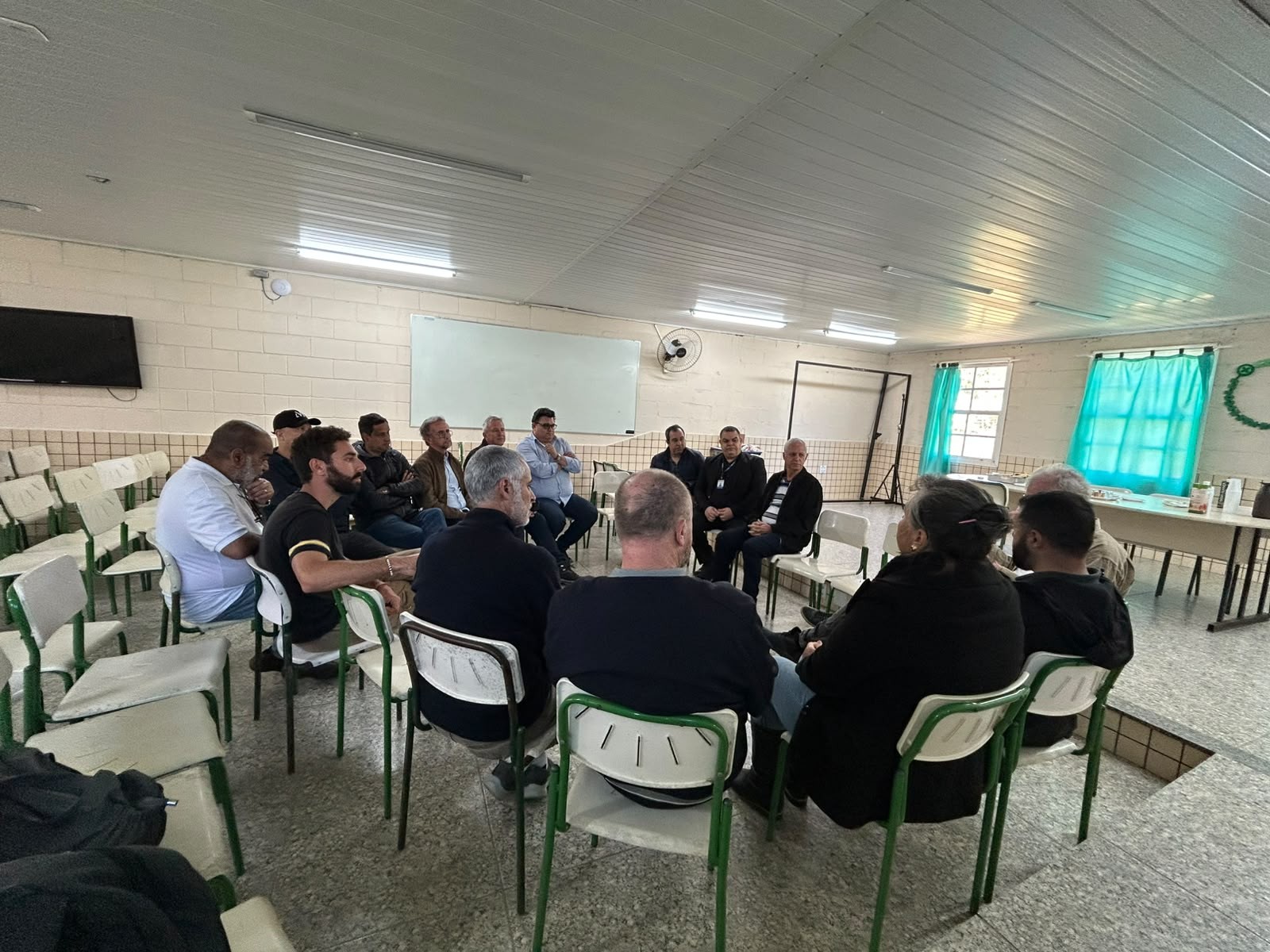
A new technical cooperation agreement has been established in Nova Friburgo, Brazil, between the State Secretariat for Regional Development of the Interior, Fisheries, and Family Agriculture (Sedipaf) and Emater-Rio. This partnership also involves the Rei Alberto I Agricultural School, managed by the Instituto Bélgica–Nova Friburgo (IBELGA). The initiative officially began on Friday, October 10th, with the goal of enhancing student training, promoting rural succession, and bolstering family farming across the state of Rio de Janeiro. Discussions took place at the school's headquarters.
The agreement outlines the participation of Emater-Rio and the Rio de Janeiro State Fisheries Institute Foundation (Fiperj) in various activities. These include training sessions, practical classes, technical guidance, internships, exchanges, and projects focused on agricultural, fishing, and aquaculture production chains. The initiative also aims to strengthen the 'Pedagogy of Alternation,' a method where students split their time between classroom learning and applying knowledge on their family farms, thereby connecting education more closely to rural realities and encouraging young people to remain in agriculture. A working group will be formed to develop action plans for technical assistance, regenerative agriculture, innovation, rural extension, sustainability, and the strengthening of family farming, fishing, and aquaculture sectors. Emater-Rio will provide technical guidance, project development, and demonstration units, while Fiperj will contribute to fishing and aquaculture by offering training and technical support for production diversification. Sedipaf stated this effort is part of a broader strategy to reinforce public policies for sustainable regional development, emphasizing rural education, technical assistance, and generational continuity in family farming.
This initiative addresses the critical challenge of rural youth retention by integrating educational institutions with governmental agricultural support agencies. By leveraging the 'Pedagogy of Alternation,' the program seeks to bridge the gap between theoretical knowledge and practical application, making agricultural careers more appealing and viable. The focus on technical assistance, innovation, and sustainable practices suggests a forward-looking approach to modernizing family farming. Future success will likely depend on sustained funding, effective implementation of training programs, and the adaptability of these strategies to evolving market demands and environmental conditions. The partnership's ability to foster a supportive ecosystem for young farmers will be key to its long-term impact on regional development and food security.
AI-generated to prompt reflection — not editorial opinion, not advice, not a statement of fact. How this works.