Nova Friburgo Residents Demand Progress on Lumiar Bridge Construction
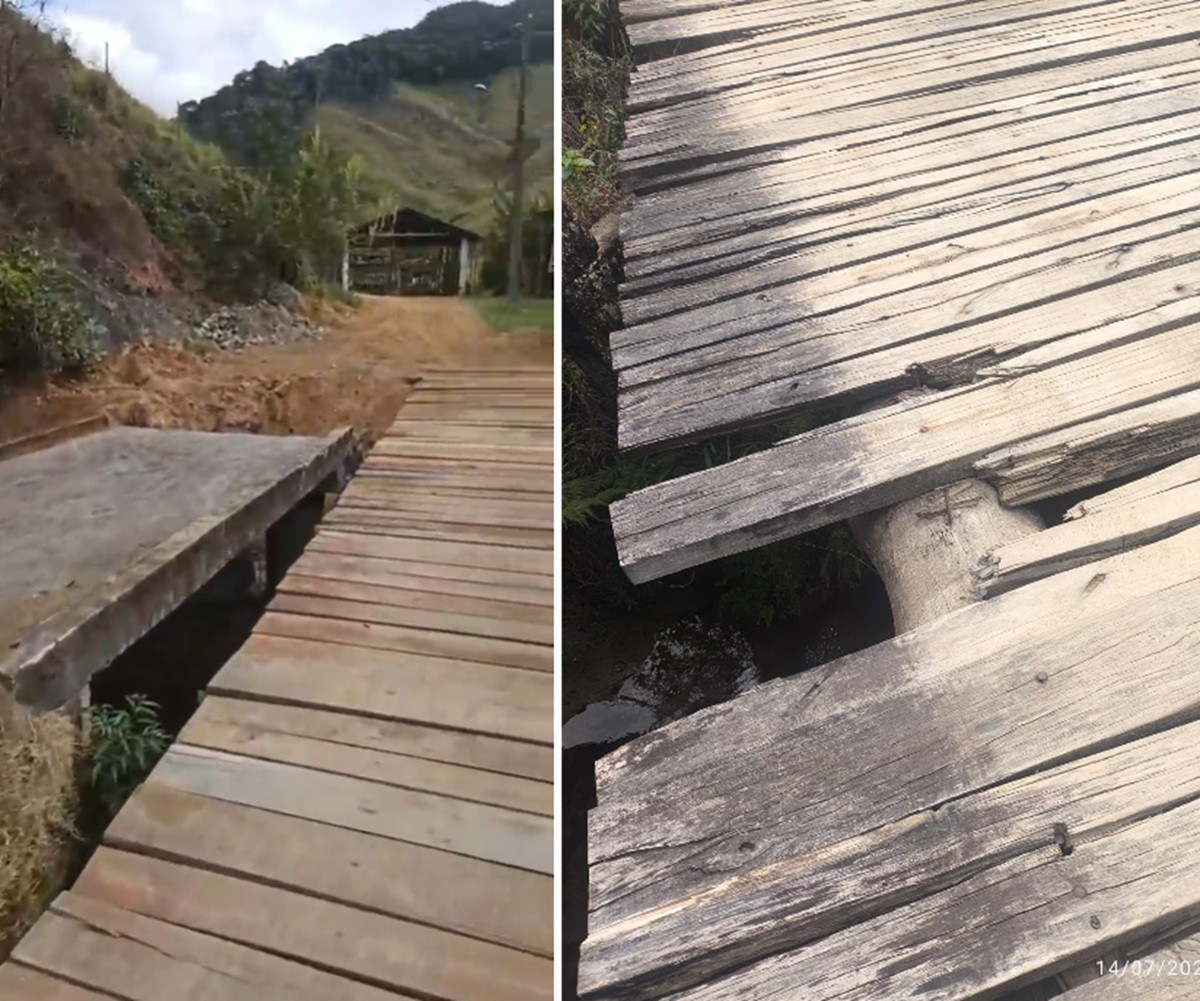
Residents of Rio Bonito, in the Lumiar district of Nova Friburgo, are demanding the swift continuation of construction on a new concrete bridge. For approximately three years, the community has relied on a temporary wooden structure after the original bridge was damaged. Between July 27 and August 2, residents reported a cracked beam on the temporary bridge, prompting the Nova Friburgo City Hall to reinforce the wooden structure and commence work on the permanent concrete bridge. However, images sent to Inter TV on August 3 showed the construction site devoid of workers, raising concerns that the community will remain dependent on the precarious temporary bridge for an extended period. Beyond the bridge, residents also expressed dissatisfaction with the condition of local roads, citing difficulties for commuters, workers, and emergency vehicles due to delayed maintenance. Some residents link these infrastructure concerns to a recent change in leadership at the Sub-prefecture of Lumiar and São Pedro da Serra, fearing project delays. The Nova Friburgo City Hall assured that the concrete bridge construction will proceed as planned, with pillars already concreted and the current phase focusing on the bridge abutments. They stated the temporary bridge has been structurally reinforced and that the sub-prefecture leadership change will not impact the project's timeline, as oversight has shifted to the Municipal Secretariat of Infrastructure and Works. Maintenance of the vicinal roads is also reportedly on schedule, with the municipality committed to ensuring safe access until the new bridge is completed.
The situation in Lumiar highlights the critical need for transparent and consistent infrastructure project management, particularly in regions susceptible to natural events or with aging infrastructure. The reliance on a temporary wooden bridge for three years, followed by reported structural issues and stalled construction, indicates potential systemic weaknesses in project oversight, resource allocation, or inter-agency coordination. The community's concerns, amplified by recent administrative changes, underscore the importance of clear communication and predictable project timelines to maintain public trust. Moving forward, robust public-private partnerships or dedicated infrastructure funds, coupled with independent oversight mechanisms, could mitigate risks associated with project delays and ensure the timely delivery of essential public works, fostering greater resilience and economic stability in the region.
AI-generated to prompt reflection — not editorial opinion, not advice, not a statement of fact. How this works.
