Nova Iguaçu Schoolchildren Take Cover During Police Shootout
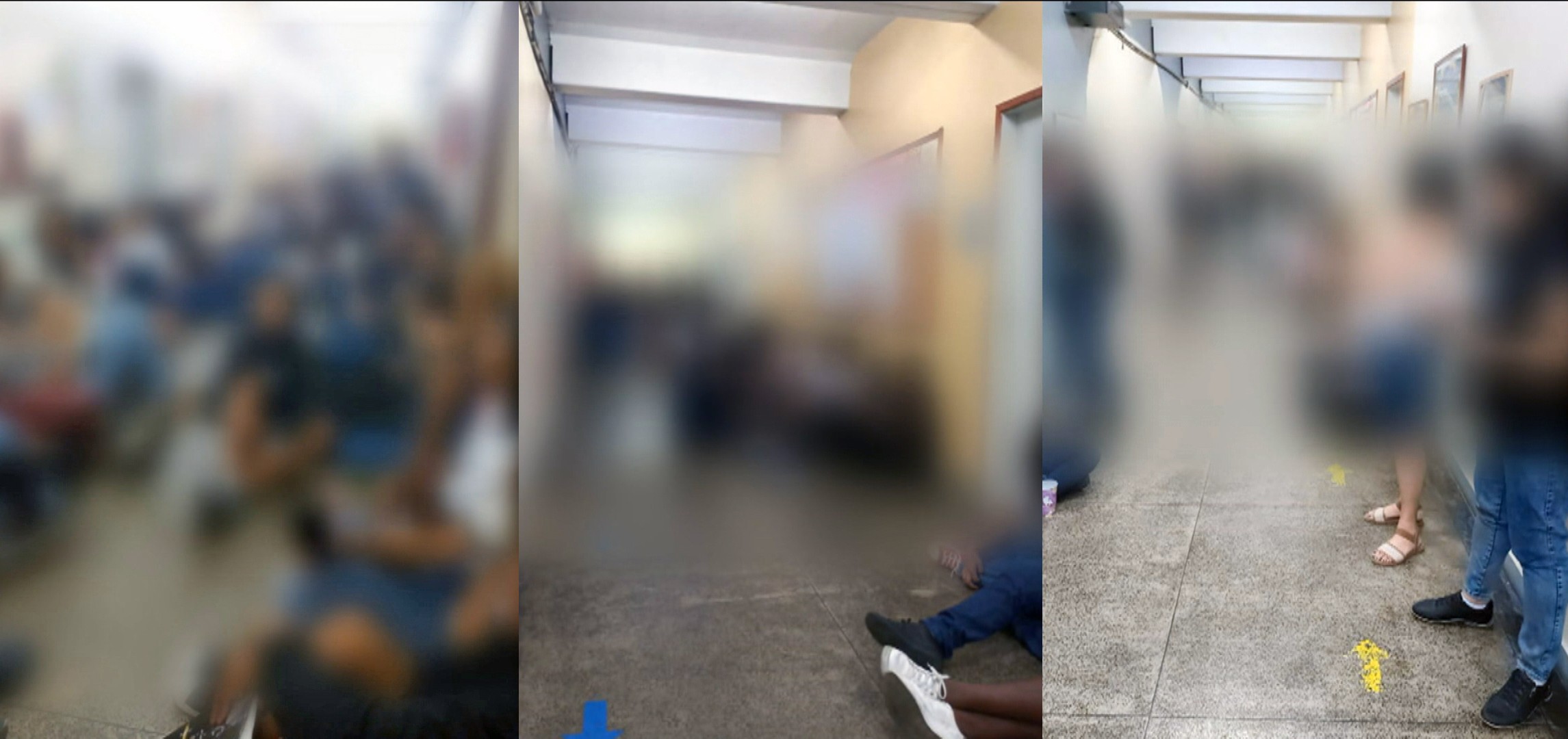
Students in Nova Iguaçu, Brazil, were forced to take cover in school corridors on Tuesday morning, April 4th, during a shootout between police and criminals. The incident occurred in the Miguel Couto neighborhood of Nova Iguaçu, in the Baixada Fluminense region. Photos from the schools show students seeking protection in hallways, but fortunately, no one was injured. The Military Police reported that officers from the 20th BPM (Mesquita) initiated a pursuit of two individuals on a motorcycle near the Buraco do Boi community. During the police operation, criminals from the community opened fire on the officers, leading to a confrontation. Additional police units arrived to support, and the area was stabilized after the exchange of gunfire. The suspects reportedly abandoned their motorcycle and fled, prompting intensified police patrols and search operations. As a result of the shootout, the Nova Iguaçu City Hall announced that students at the Ambaí Municipal School of Early Childhood Education were dismissed for the morning and afternoon shifts. Classes at the Ciep 334 (Moacyr Jose Pereira Gerk) followed safety protocols for risk situations, and students were reported safe. The State Secretariat of Education (Seeduc) confirmed that all students were well and resumed activities after the area was secured, though some parents opted to pick up their children. Seeduc stated it is monitoring the situation and reiterated its commitment to student and staff safety, adhering to protocols established with the Public Prosecutor's Office of Rio de Janeiro and the methodology of the 'Acesso Mais Seguro' program developed with the International Committee of the Red Cross. As of the latest update, the police reported the area remained stable with no further confrontations, while searches for the suspects continued.
This event highlights the critical challenge of ensuring educational continuity and student safety amidst escalating urban violence. The response protocols enacted by the schools, in coordination with state and municipal authorities and international organizations, demonstrate a systemic effort to mitigate immediate risks. However, the recurring nature of such incidents suggests a need to examine the underlying socio-economic and security dynamics that contribute to armed confrontations in densely populated areas. Future strategies may need to address not only immediate security measures but also long-term community engagement and conflict resolution to create more resilient educational environments, ensuring that the right to education is not perpetually jeopardized by external security threats.
AI-generated to prompt reflection — not editorial opinion, not advice, not a statement of fact. How this works.
