Novel Lupus Treatment Shows Promise in Reducing Symptoms in Mice
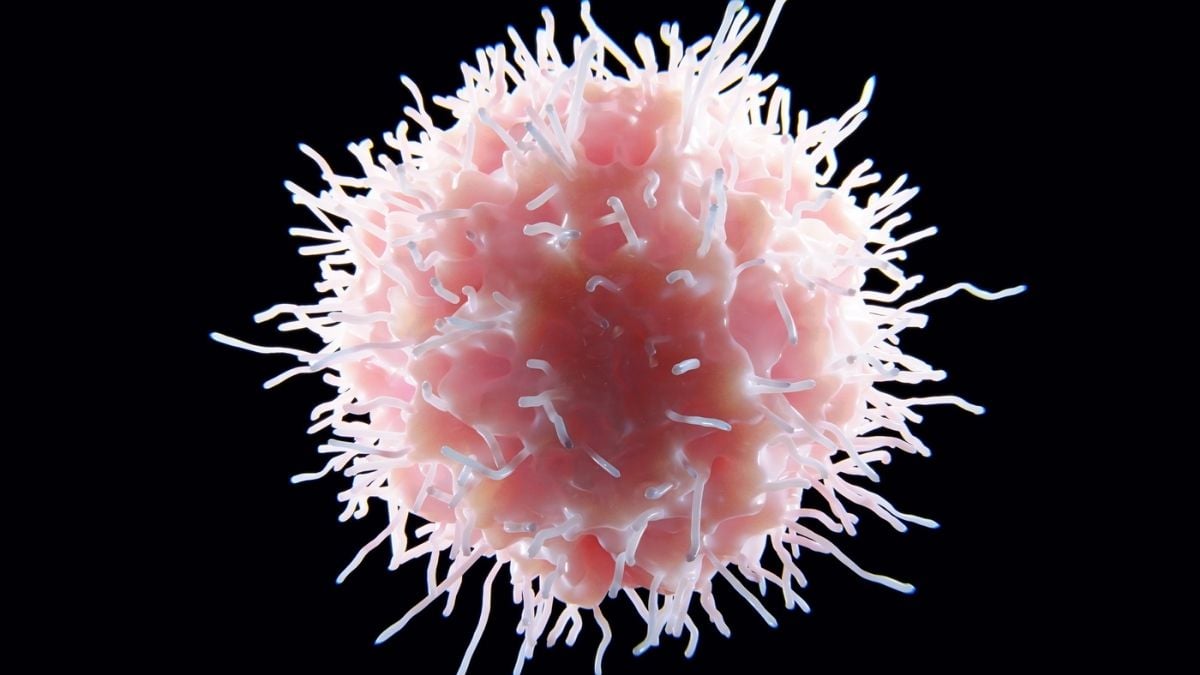
A groundbreaking treatment for lupus has demonstrated significant success in reducing symptoms in mice, offering potential new hope for millions affected by the autoimmune disease. The treatment, described as a first-of-its-kind approach, targets the underlying mechanisms of lupus, aiming to alleviate the chronic inflammation and organ damage characteristic of the condition. While the research is still in its early stages and has only been tested on animal models, the results are highly encouraging. Scientists are optimistic that these findings could pave the way for human clinical trials in the future. Lupus affects millions worldwide, causing a wide range of symptoms including fatigue, joint pain, and skin rashes, and can lead to severe complications affecting the heart, kidneys, and brain. The development of effective and safe treatments remains a critical area of medical research. This new therapeutic strategy represents a significant step forward in the ongoing effort to combat lupus and improve the lives of patients.
This development in lupus treatment research, while currently limited to animal models, highlights the ongoing pursuit of novel therapeutic strategies for autoimmune diseases. The focus on a "first-of-its-kind" approach suggests a potential shift away from broad immunosuppression towards more targeted interventions. Future research will need to rigorously assess the safety and efficacy of this treatment in human trials, considering potential off-target effects and long-term outcomes. The success of such targeted therapies could influence the broader landscape of autoimmune disease management, potentially leading to more personalized and effective treatment paradigms in the coming decade.
AI-generated to prompt reflection — not editorial opinion, not advice, not a statement of fact. How this works.