Novel Magnetic Propulsion System for Satellites Developed
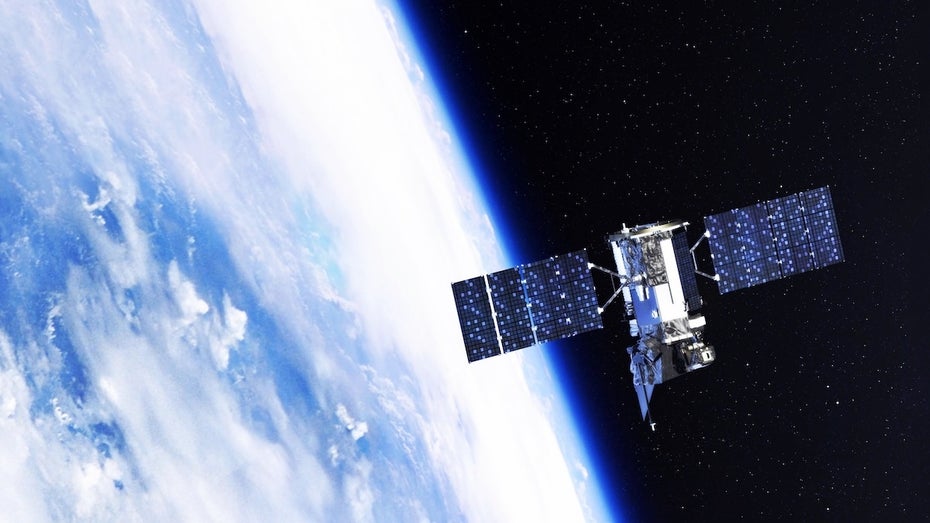
A company has introduced a new propulsion system for satellites that deviates from traditional chemical or electric thrusters. This innovative approach utilizes superconducting magnets that interact with the Earth's magnetic field to alter a satellite's direction. The development aims to promote sustainable technology in space operations. Unlike conventional methods that rely on expelling mass or accelerating charged particles, this magnetic system offers a propellantless alternative. This could significantly reduce the environmental impact of space missions by eliminating the need for chemical fuels. The technology holds the potential to enable longer mission durations and more agile maneuvering capabilities for satellites. Further details on this sustainable space technology are available on t3n.de.
This development introduces a novel propulsion paradigm for satellites, moving away from established chemical and electric thruster systems. By leveraging interactions with Earth's magnetic field via superconducting magnets, the technology presents a propellantless alternative. This could address long-term sustainability concerns in space by reducing reliance on expendable chemical fuels, potentially lowering operational costs and mitigating orbital debris. The system's efficiency and scalability for various satellite sizes and mission profiles will be critical factors for its adoption. Future advancements may explore its application in deeper space missions where Earth's magnetic field is less dominant, or in conjunction with other propulsion methods to optimize performance and mission flexibility.
AI-generated to prompt reflection — not editorial opinion, not advice, not a statement of fact. How this works.