Novo Party Selects Pedro Brito as Candidate for Ceará Governor in 2026
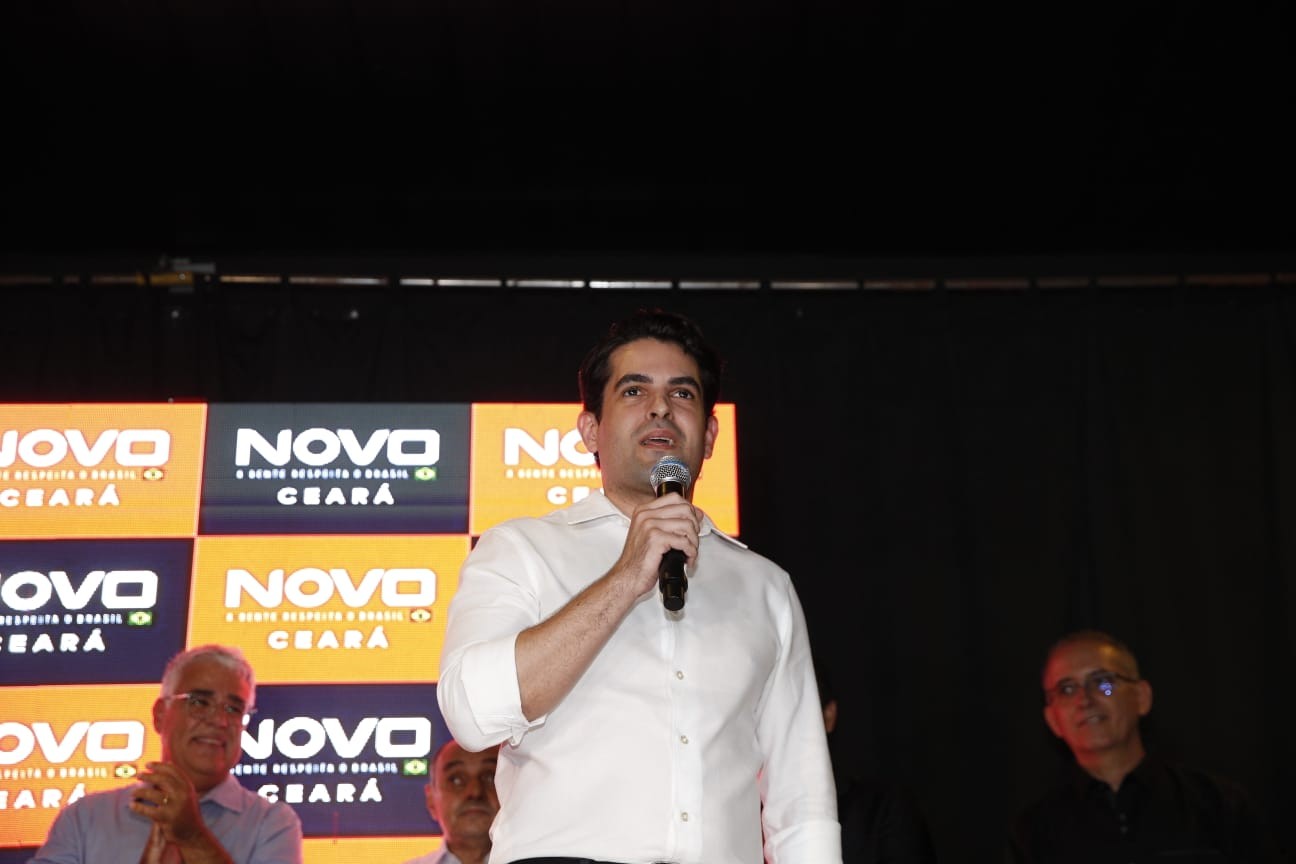
The Novo Party has officially confirmed Pedro Brito as its candidate for the governorship of Ceará in the 2026 elections. The decision was formalized during a party convention held on Tuesday, June 4th, in Fortaleza. Pedro Felipe Pinheiro Brito, 33, is a lawyer and the state vice-president of the Novo Party, hailing from Fortaleza. This marks his first gubernatorial bid. Previously, he ran for city councilor in 2024 under the same party but was unsuccessful. The convention also approved other candidacies: Vera Lúcia for vice-governor and General Theofilo for the Senate. Brito acknowledged the significant challenge ahead, expressing confidence in his and his supporters' dedication. The party convention process, where members select candidates, must conclude by August 5th, with candidate registrations due to the Superior Electoral Court (TSE) by August 15th. Official campaigning will commence the following day. Brazilians will vote on October 4th for president, governor, two Senate seats per state, federal deputies, and state deputies. Brito holds a law degree, is pursuing a degree in Economics, and possesses two MBAs in Business Management and Financial Markets. He previously served as president of the Nova Advocacia Association, an organization for young lawyers affiliated with the Ceará section of the Brazilian Bar Association (OAB/CE).
The Novo Party's selection of Pedro Brito, a relatively new political figure with a background in law and business, for a gubernatorial race signals a strategic focus on emerging talent and potentially a departure from more established political figures. The party's convention process, adhering to electoral timelines, highlights the procedural aspects of candidate selection in Brazil's democratic framework. Brito's acknowledgment of the 'enormous challenge' suggests an awareness of the competitive landscape, while his prior unsuccessful run for city council indicates a learning curve in electoral politics. The broader context of upcoming elections for various national and state positions underscores the dynamic nature of Brazilian political engagement and the importance of party conventions in shaping electoral outcomes.
AI-generated to prompt reflection — not editorial opinion, not advice, not a statement of fact. How this works.
