NPR Journalists Share Top Moments from the 2026 World Cup Co-Hosted by US, Mexico, and Canada
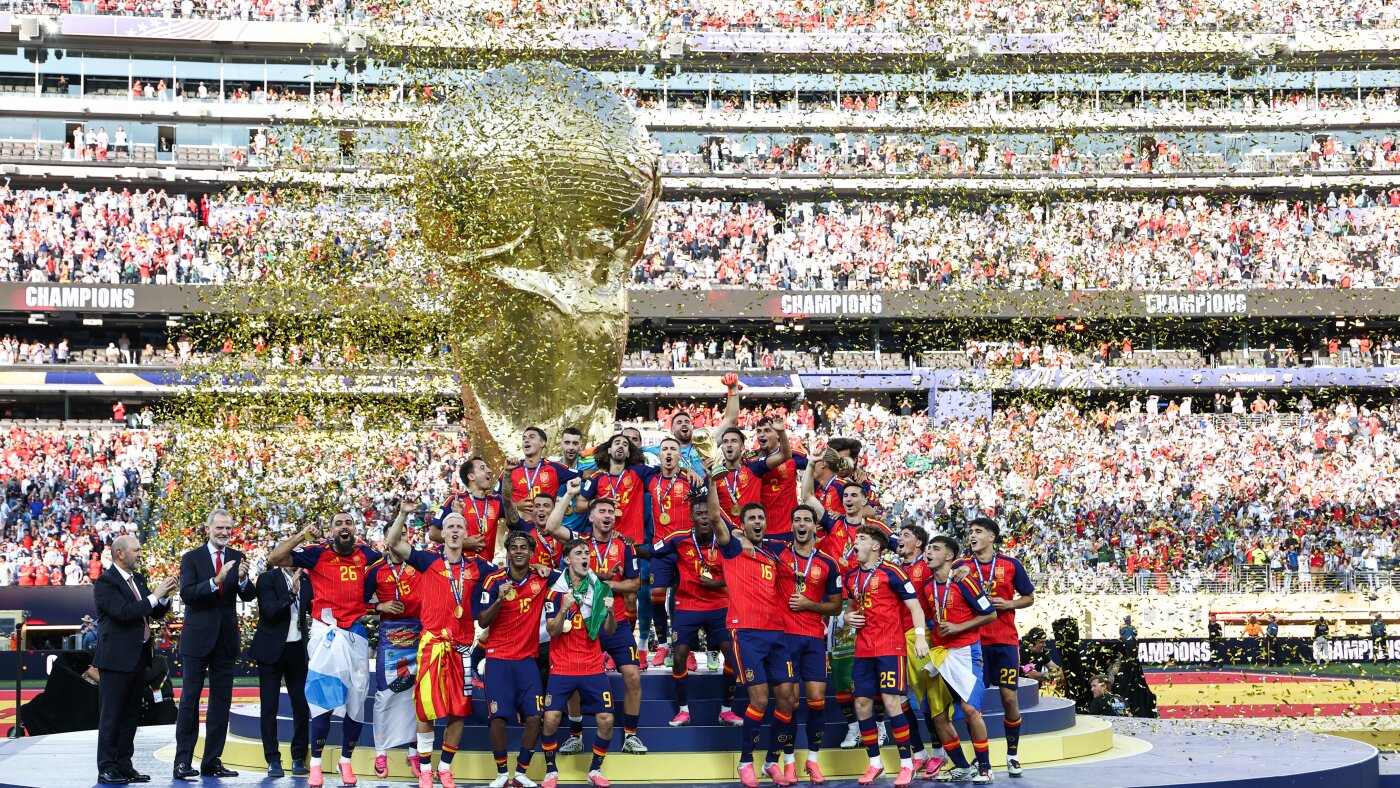
NPR journalists who covered the 2026 FIFA World Cup have shared their reflections on the nearly six-week tournament. The event was co-hosted by the United States, Mexico, and Canada. These journalists experienced the event firsthand and are now highlighting the aspects that "wowed" them. Their insights offer a unique perspective on the global sporting spectacle. The tournament's duration of almost six weeks allowed for extensive coverage and a deep dive into the various facets of the competition. The collaborative hosting by three North American nations presented a complex logistical and cultural landscape. The journalists' reflections aim to capture the essence of the experience, moving beyond simple game results to broader impacts and memorable moments. This compilation of "wows" serves as a retrospective on a major international sporting event.
The 2026 World Cup, co-hosted by the United States, Mexico, and Canada, represents a significant logistical undertaking, testing inter-governmental cooperation and infrastructure readiness across three nations. The journalists' "wows" likely reflect the interplay of athletic achievement, fan engagement, and the cultural exchange inherent in such a global event. From a systems perspective, the tournament's success hinges on effective cross-border collaboration, security coordination, and the management of diverse fan bases. As we look towards the next decade, such large-scale, multi-national events will increasingly challenge existing governance frameworks and highlight the growing importance of shared sporting and cultural platforms in fostering international relations, while also demanding robust strategies for sustainability and equitable economic benefit distribution.
AI-generated to prompt reflection — not editorial opinion, not advice, not a statement of fact. How this works.