NRW Governor Wüst Pledges Full Support to CDU Leader Merz for Reform Pact
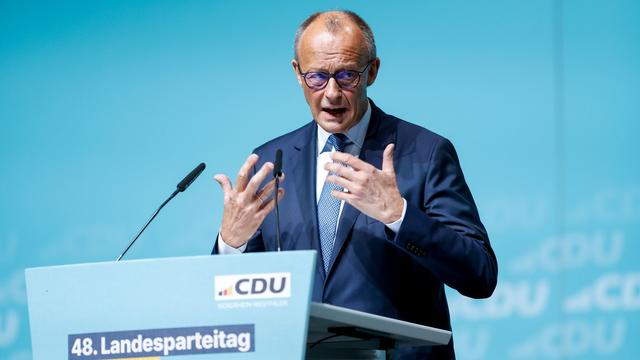
North Rhine-Westphalia Governor Hendrik Wüst has publicly declared his "full backing" for CDU leader Friedrich Merz's proposed reform pact. Wüst's statement comes amid ongoing discussions within the Christian Democratic Union (CDU) regarding the party's strategic direction and policy initiatives. The reform pact is understood to encompass a broad range of policy areas aimed at modernizing the party and addressing contemporary societal challenges. Wüst, a prominent figure within the CDU, emphasized the importance of unity and decisive action in preparing the party for future political landscapes. His endorsement signals a significant consolidation of support for Merz's leadership and reform agenda. The specific details of the reform pact have not yet been fully disclosed, but it is expected to address economic policy, social issues, and digital transformation. The pledge of "full backing" suggests a commitment to implementing these reforms once finalized. This development is seen as a crucial step in strengthening the CDU's position and its ability to present a cohesive platform to the electorate. Further discussions are anticipated to refine the pact's proposals and secure broader consensus.
Governor Wüst's public endorsement of CDU leader Merz's reform pact highlights internal party dynamics and the strategic imperative for the CDU to present a unified front. In the context of evolving political landscapes and the increasing influence of digital technologies, such reform efforts are critical for any major political party seeking to maintain relevance and electoral appeal. The emphasis on a "reform pact" suggests a structured approach to policy development, aiming to balance traditional party values with the need for adaptation to contemporary challenges. The effectiveness of this pact will ultimately depend on its ability to resonate with a broad electorate and address systemic issues that impact citizens' daily lives, particularly in the coming decade shaped by AI and technological advancements. The challenge lies in translating internal party consensus into tangible policy proposals that can navigate complex societal and economic currents.
AI-generated to prompt reflection — not editorial opinion, not advice, not a statement of fact. How this works.