NSW DPP Denies False Evidence Amid Calls for Parliamentary Oversight
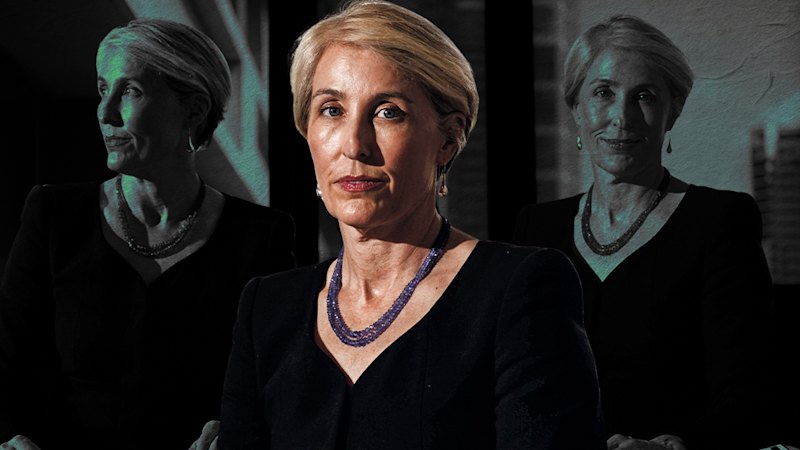
A contentious inquiry in the New South Wales upper house has concluded that the Director of Public Prosecutions (DPP) provided false evidence to parliament. The DPP has strongly denied these allegations. The inquiry has recommended the establishment of a parliamentary oversight committee specifically for the DPP's office. This proposed committee would aim to increase scrutiny and accountability for the decisions and actions taken by the prosecution service. The findings and recommendations have sparked debate regarding the independence of the justice system and the appropriate level of political involvement in its oversight. The DPP's office maintains its integrity and commitment to upholding the law. The call for enhanced parliamentary oversight suggests a potential shift in the relationship between the legislative branch and the judicial system in New South Wales. Further discussions are expected on the implications of these findings for prosecutorial independence and public trust.
The NSW upper house inquiry's findings raise critical questions about the balance between legislative oversight and prosecutorial independence. While parliamentary scrutiny is essential for public accountability, the establishment of a dedicated oversight committee for the Director of Public Prosecutions could inadvertently politicize prosecutorial decisions. This dynamic may create incentives for the DPP to consider political ramifications rather than solely legal merits, potentially impacting the perceived fairness and impartiality of the justice system. Future governance structures should carefully consider mechanisms that ensure robust accountability without compromising the operational independence crucial for the rule of law, particularly in an era where public trust in institutions is paramount.
AI-generated to prompt reflection — not editorial opinion, not advice, not a statement of fact. How this works.