NSW Labor Accused of Silencing Debate on Gaza, Protest Laws Before Conference
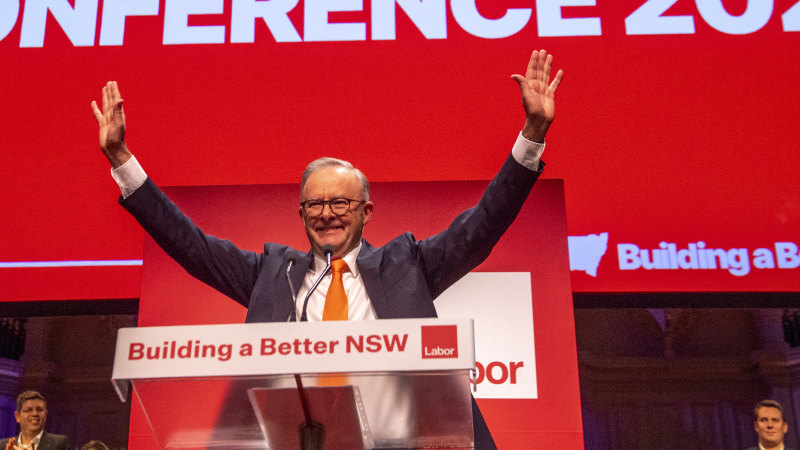
The New South Wales Labor Party is facing internal backlash over its leadership's alleged attempt to prevent discussions on key issues, including the conflict in Gaza, AUKUS, and local protest laws. This move has reportedly ignited fury among party members just before the weekend's conference is set to begin. The leadership's push aims to block motions related to these sensitive topics from being debated during the gathering. Critics argue that this action amounts to 'gagging' internal party discourse and stifling democratic processes. The controversy highlights a significant internal division within the party regarding its stance on foreign policy and domestic protest rights. The upcoming conference was expected to be a forum for addressing these pressing matters, but the leadership's intervention has cast a shadow over these expectations. The decision has led to accusations of suppressing dissent and controlling the narrative within the party. Members are reportedly concerned that this approach undermines the principles of open debate and accountability. The outcome of this internal conflict could have implications for the party's future policy directions and its relationship with its membership.
The reported actions by NSW Labor leadership suggest a strategic prioritization of party unity or a specific policy agenda over open internal deliberation. By attempting to preemptively block certain motions, leadership may be seeking to avoid potentially divisive public statements or internal conflicts that could impact electoral prospects. This approach, while common in political parties aiming for a cohesive public image, can create tension between leadership control and grassroots democratic expression. The leadership's incentive structure likely involves managing external perceptions and maintaining a stable platform, whereas dissenting members may be motivated by a desire for policy alignment with their values or constituents' concerns. This dynamic raises questions about the long-term sustainability of such control mechanisms in an era where transparency and participatory governance are increasingly valued by electorates and party members alike.
AI-generated to prompt reflection — not editorial opinion, not advice, not a statement of fact. How this works.