NSW Must Identify Key Queensland Threat, Says Brad Fittler
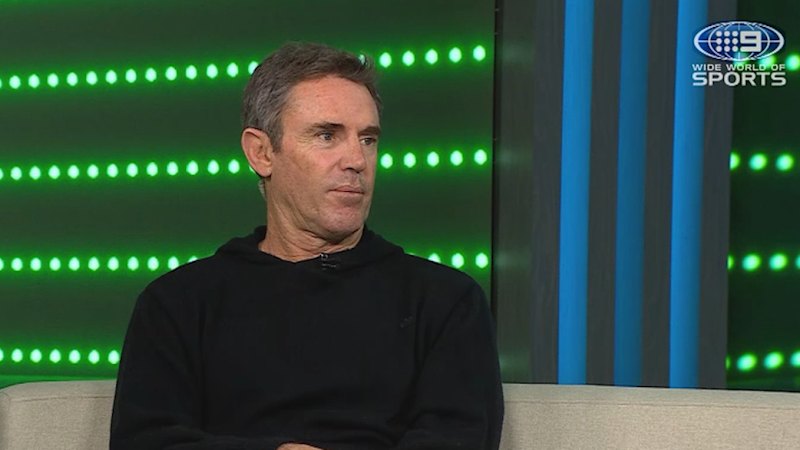
Former New South Wales coach Brad Fittler has identified a crucial player that the current NSW team must focus on stopping to succeed against Queensland. Fittler, who previously led the Blues, emphasized the importance of identifying and neutralizing this specific Queensland threat. He believes that overlooking this player could be a significant strategic error for the NSW team. The revelation comes as NSW prepares for their upcoming clash with Queensland, a perennial rivalry in Australian sport. Fittler's insights are based on his extensive experience coaching the NSW State of Origin side. He suggests that a comprehensive game plan needs to be in place to counter this individual's impact. The focus on one player highlights the potential for a single individual to significantly influence the outcome of such a high-stakes match. This advice underscores the strategic depth and individual brilliance that often characterizes the State of Origin series. Fittler's comments aim to provide NSW with a tactical edge by pinpointing a key area of focus.
This commentary highlights the strategic importance of identifying and neutralizing key opposition players in competitive sporting events. The focus on a single individual underscores how individual performance can disproportionately impact team outcomes, particularly in high-pressure, low-scoring games like State of Origin. From a systems perspective, effective coaching involves not only developing one's own team's strengths but also meticulously analyzing and mitigating the opponent's primary threats. This approach reflects a broader principle applicable to competitive environments, where understanding and adapting to the strengths of rivals is crucial for sustained success. The advice suggests that NSW must prioritize defensive strategies that account for the specific capabilities of this identified Queensland player, rather than relying on a generic approach.
AI-generated to prompt reflection — not editorial opinion, not advice, not a statement of fact. How this works.