Nuclear Transport Halted Due to Technical Defect
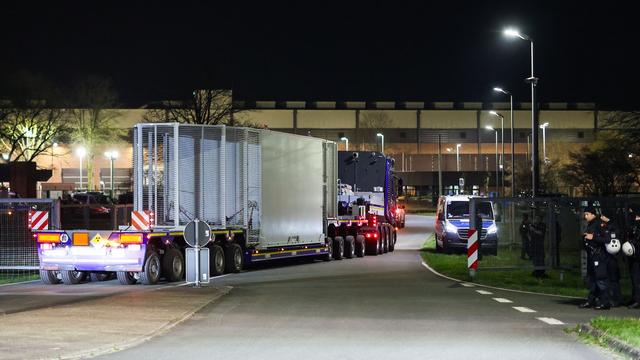
The tenth transport of nuclear waste using a Castor cask has been halted due to a technical defect. The incident occurred during the transport of radioactive material, prompting an immediate stop to the operation. Details regarding the specific nature of the technical defect have not yet been fully disclosed. This interruption raises concerns about the safety and reliability of nuclear waste transportation procedures. The Castor cask system is widely used for storing and transporting spent nuclear fuel and other radioactive waste. The incident highlights potential vulnerabilities in the complex logistical chain required for managing nuclear materials. Further investigations are expected to determine the cause of the defect and assess any potential risks. The authorities are likely to review the safety protocols in light of this event. The halt in the transport signifies a significant disruption to the planned movement of nuclear waste.
The interruption of this nuclear waste transport due to a technical defect underscores the inherent challenges and risks associated with managing radioactive materials. While Castor casks are designed with robust safety features, such incidents highlight the critical importance of rigorous maintenance and inspection protocols. The event prompts a review of the operational procedures and the potential for systemic vulnerabilities within the nuclear logistics chain. Looking ahead, the increasing global reliance on nuclear energy, coupled with the long-term challenge of waste disposal, necessitates continuous innovation in safety technology and transparent governance to maintain public trust and ensure environmental security.
AI-generated to prompt reflection — not editorial opinion, not advice, not a statement of fact. How this works.