Number of Small Loan Defaulters Doubles in Bangladesh Over One Year
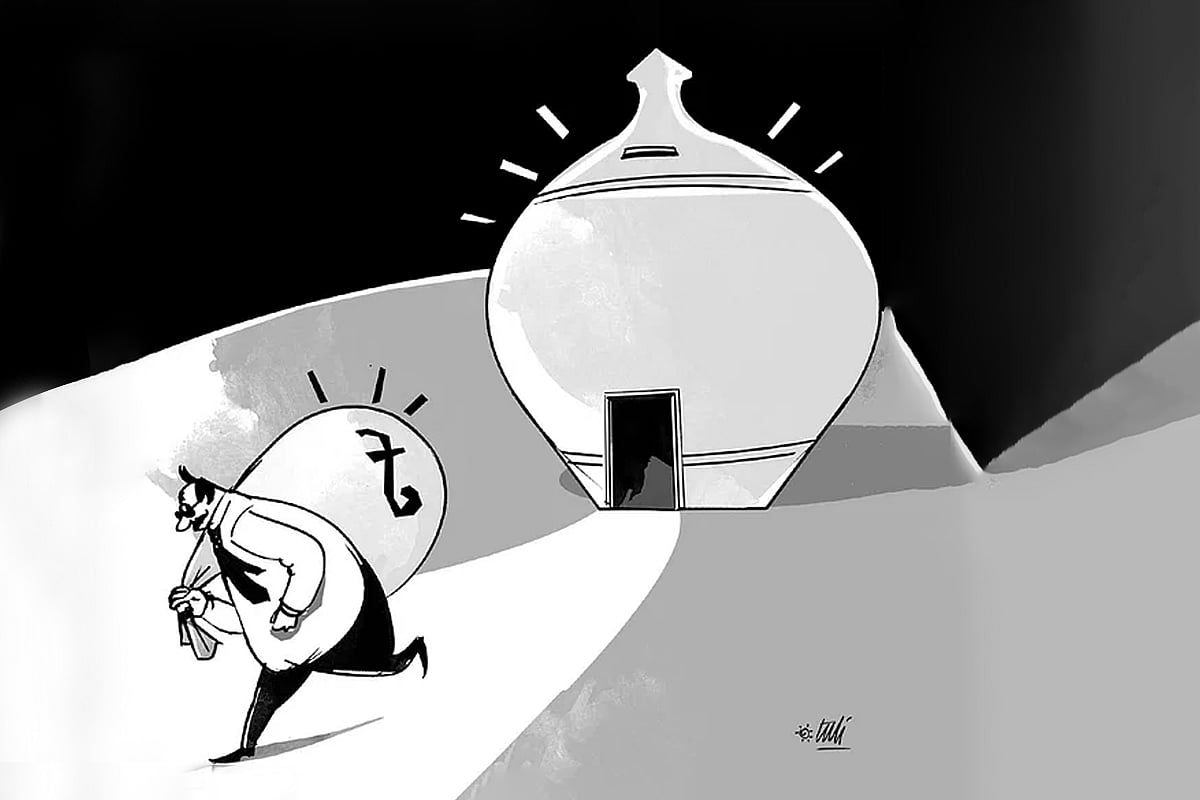
The number of loan defaulters with outstanding balances of up to one crore Bangladeshi Taka (approximately $95,000 USD) has more than doubled in Bangladesh within a year, reaching 4.54 million as of March. This figure represents a significant increase from 2.16 million defaulters in March of the previous year, according to data from the Bangladesh Bank. This surge in small loan defaults indicates a substantial deterioration in the quality of retail lending. The central bank attributes this rise to increased living costs, growing household debt burdens, a slowdown in SME activities, and reduced repayment capacity in agricultural and small business sectors. While large loan defaults cause greater financial damage, the rapid increase in small loan defaults is considered a major warning sign for the overall financial sector.
Across various loan categories, the trend of increasing defaults is evident. For loans between 10 and 20 crore Taka, the default rate stood at 45% in March, with the number of defaulters rising from 3,336 to 6,186 in a year. Similarly, loans between 1 and 10 crore Taka saw a default rate of over 26%, with the number of defaulters increasing from 25,477 to 28,501. The SME sector, in particular, shows a high default rate of over 34%, with cottage industries experiencing the highest default rate at approximately 53%. Consumer loans, which constitute about 9% of total bank loans, have a 7% default rate, while construction loans have a 30% default rate. Agriculture, fisheries, and forestry loans, making up over 4% of total lending, also show a significant default rate of around 30% as of March.
The escalating number of small loan defaults in Bangladesh signals systemic vulnerabilities within the retail credit market, exacerbated by macroeconomic pressures like inflation and rising living costs. While large-volume defaults pose immediate financial risks, the widespread increase in smaller defaults suggests a broader issue of declining repayment capacity across a larger segment of the population and small businesses. This trend highlights the interconnectedness of household financial health, SME viability, and overall financial sector stability. Future policy interventions may need to focus not only on recovery mechanisms but also on enhancing financial literacy, supporting SME resilience, and addressing the root causes of reduced repayment capacity to mitigate systemic risk and foster sustainable economic growth over the next decade.
AI-generated to prompt reflection — not editorial opinion, not advice, not a statement of fact. How this works.