Nurse Arrested for Attempted Baby Kidnapping in Teresina; Aunt Also Investigated
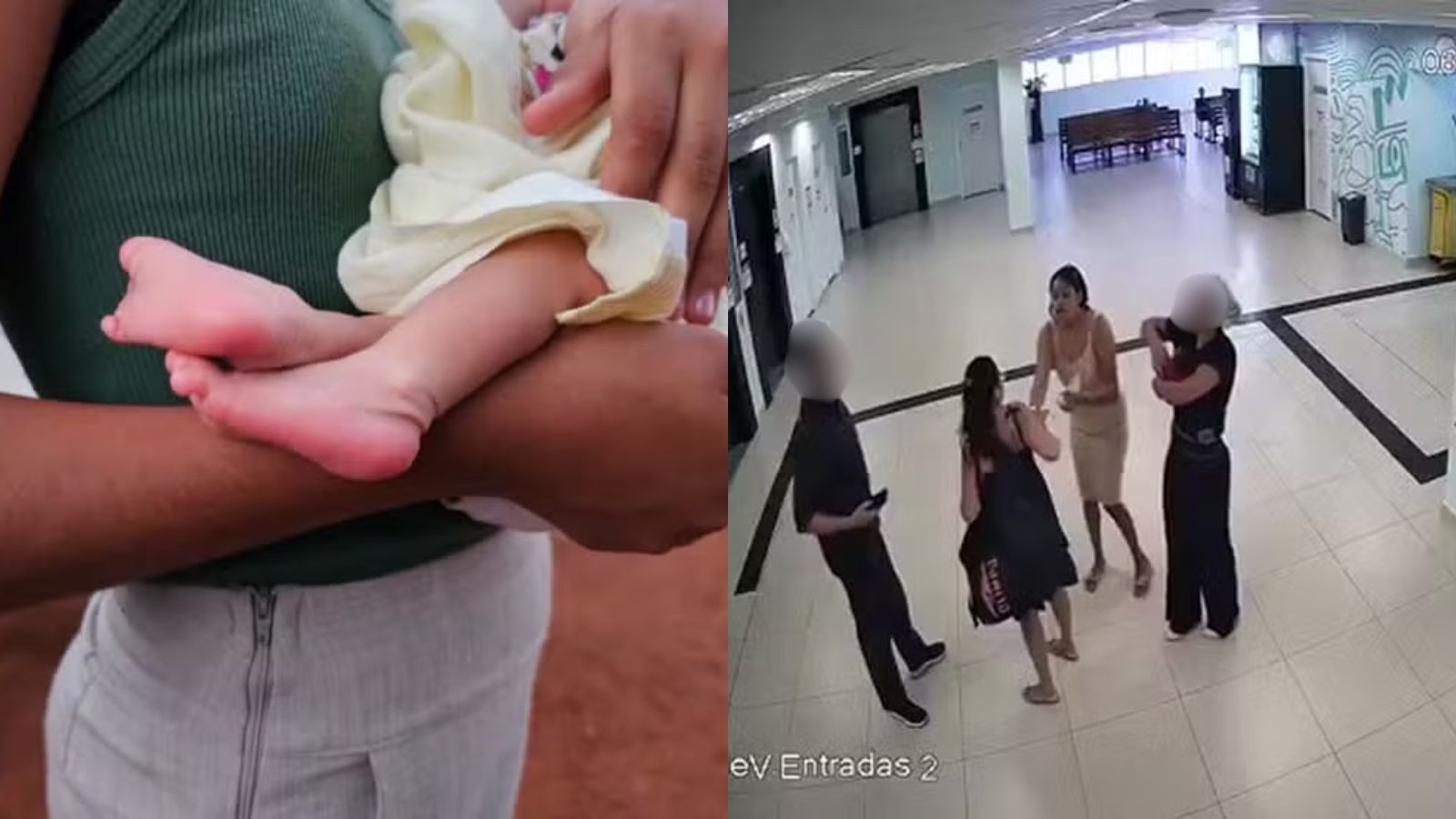
Police in Teresina, Brazil, are investigating an attempted kidnapping of a newborn baby from the Nova Maternidade Dona Evangelina Rosa on July 6, 2026. Security footage shows nursing technician Auricélia de Sousa Rocha, who was off-duty, offering to take the baby for tests and then concealing her in a large black bag. The baby's aunt, Daniela Beatriz, intercepted Rocha, discovered the infant in the bag, and alerted authorities. Rocha, who had allegedly been simulating a pregnancy for months and had a nursery prepared at her home, was arrested. An ex-boyfriend believed he was the father of the supposed child. The family claims a hospital psychologist pressured the mother to support the institution after the incident. The aunt, Daniela Beatriz, publicly accused a maternity supervisor on social media, leading to her own investigation for slander and qualified defamation. The maternity director stated that security protocols were effective and that the involved professional was suspended. The Regional Nursing Council has suspended Rocha's professional license and opened an ethical inquiry. The police are treating the case as an attempted kidnapping by Rocha acting alone. Her preventive detention was ordered, and her defense argues she suffers from acute psychotic disorder.
This incident highlights critical vulnerabilities in hospital security protocols and the potential for individuals to exploit trust within healthcare settings. The investigation into the nursing technician's alleged motives, including a simulated pregnancy, points to complex psychological factors that may necessitate enhanced mental health screenings for healthcare professionals. Furthermore, the aunt's actions, while stemming from a desire to expose the truth, underscore the challenges of managing information and reputation in the digital age, particularly when accusations are made without full verification. This case prompts a review of how institutions handle initial reports, balance patient privacy with public safety, and address the aftermath of traumatic events to prevent further harm and maintain public confidence.
AI-generated to prompt reflection — not editorial opinion, not advice, not a statement of fact. How this works.