Nurse Denounces Verbal Abuse at Juiz de Fora Health Unit
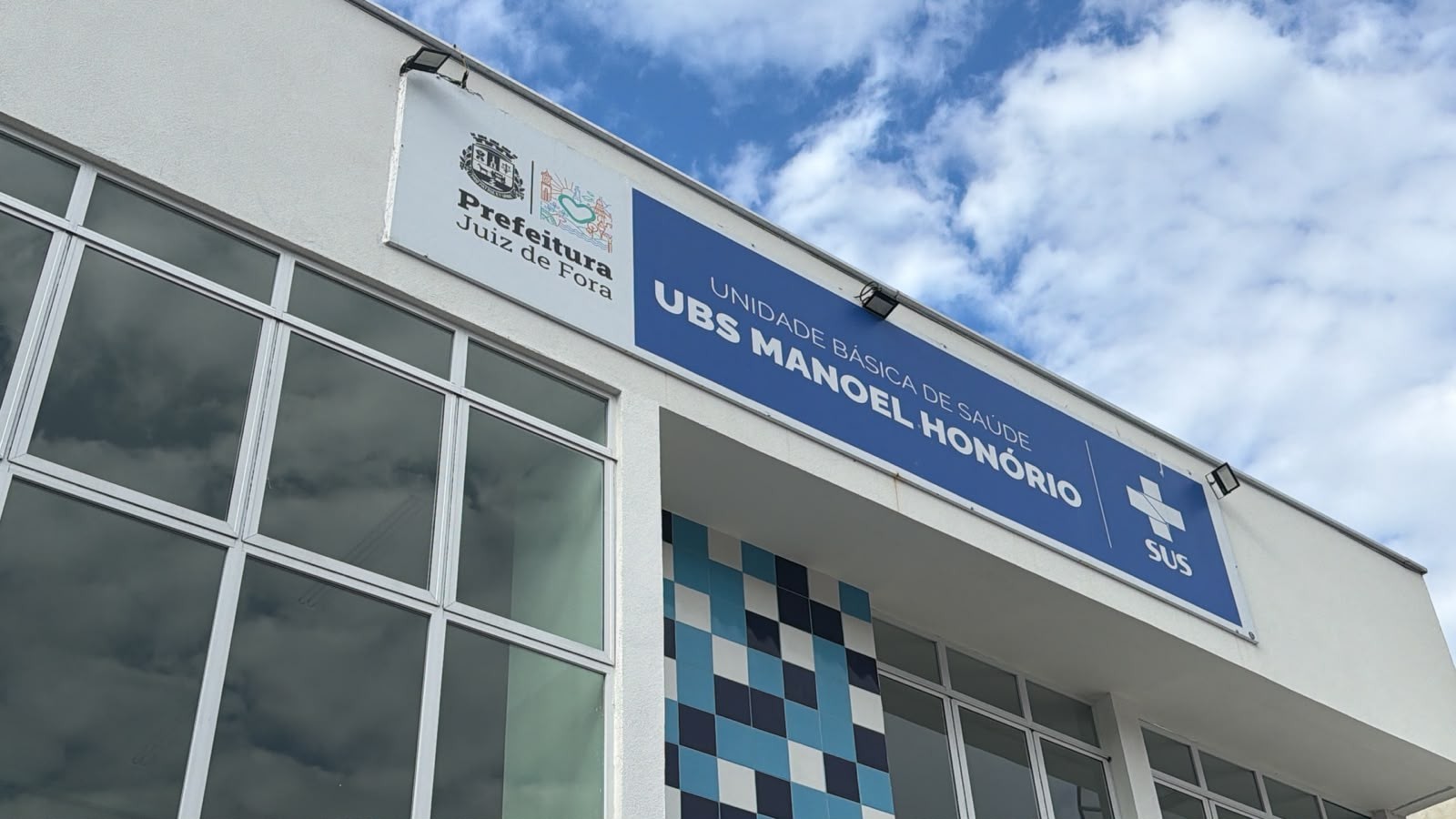
A 43-year-old nurse in Juiz de Fora, Brazil, has reported experiencing severe verbal abuse while on duty at the Manoel Honório Basic Health Unit (UBS). The incident occurred on Tuesday, the 21st, and involved the police being called, resulting in a police report being filed. The nurse, who wished to remain anonymous, stated that the confrontation began when a woman demanded immediate attention for her son, despite the child not being present for an initial assessment. The nurse explained the UBS's appointment-based system and the process of triage before seeing a doctor, but the woman insisted on speaking directly with a physician. During the argument, the woman allegedly insulted the nurse, calling him an "animal" and a "donkey" and stating he did not belong there. This is the second reported instance of verbal aggression against the nurse in his over 20-year career; he previously recounted being called a "monkey" and facing comments about his skin color. The nurse expressed concern over the lack of security in health units, noting that staff often handle such situations themselves and that aggression is a frequent occurrence in other UBS facilities, leading to fear among healthcare workers. The Municipal Health Secretariat and Military Police visited the unit after the incident, and the UBS continued its operations without interruption. The Juiz de Fora City Hall clarified that urgent and emergency cases should be directed to the Urgent Care Units (UPAs), which use the Manchester Protocol for severity classification, while UBSs handle scheduled appointments, walk-ins, and less severe cases.
This incident highlights the escalating challenges faced by healthcare professionals in public health units, particularly concerning patient interactions and workplace safety. The nurse's experience underscores a potential systemic issue where demand for immediate care clashes with established protocols for managing patient flow and resource allocation in basic health units. The reported lack of security and the normalization of aggression in some facilities suggest a need for improved safety measures and de-escalation training for staff. Furthermore, public health communication strategies may need reinforcement to ensure community understanding of service limitations and referral pathways, thereby mitigating potential friction points. Addressing these issues requires a multi-faceted approach involving administrative support, enhanced security protocols, and community engagement to foster a more respectful and secure environment for healthcare providers.
AI-generated to prompt reflection — not editorial opinion, not advice, not a statement of fact. How this works.