Nurse Richard Angelo Arrested for Killing Patients to Revive Them
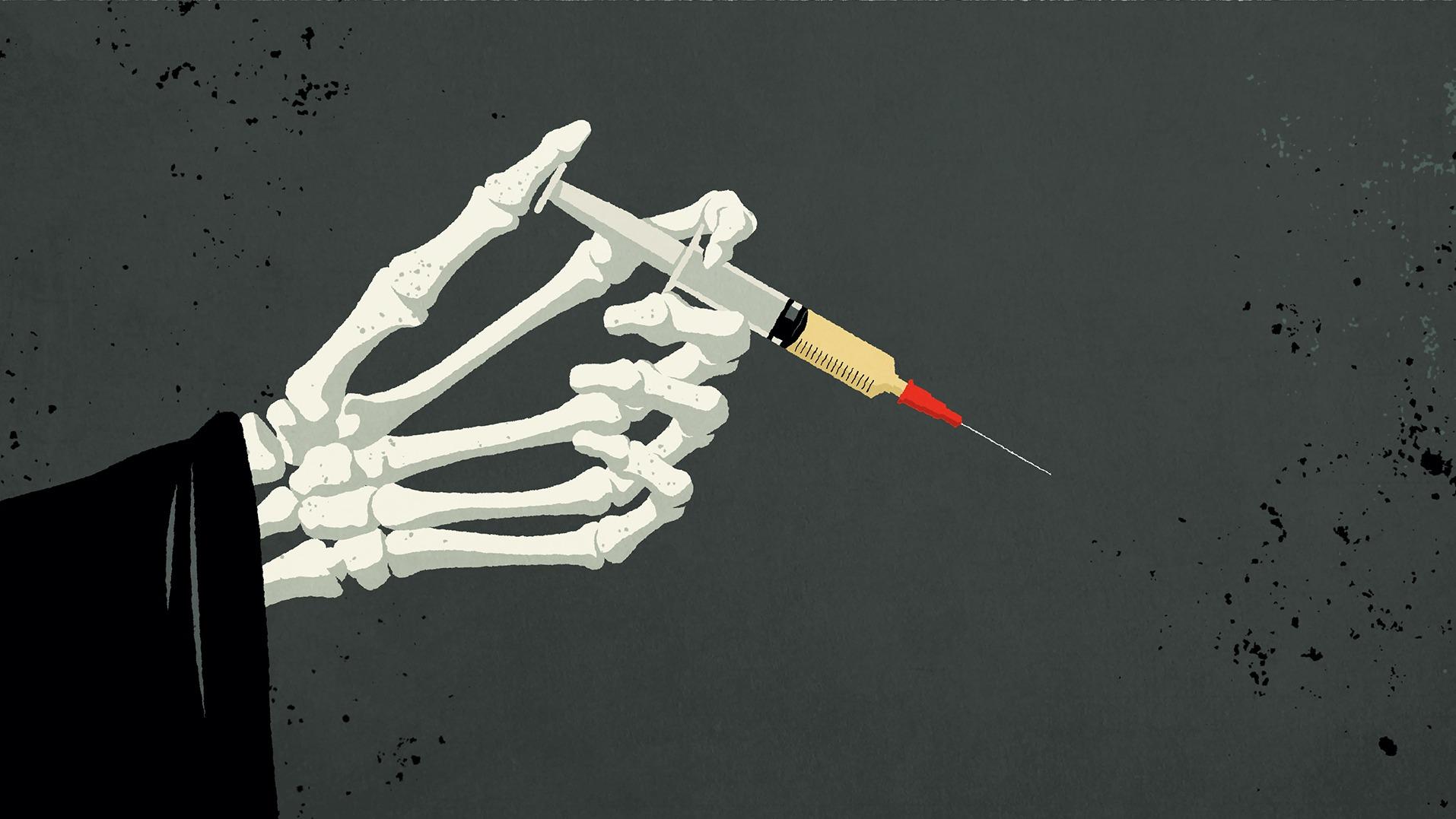
In the late 1980s in the United States, a young man named Richard Angelo, working as a nurse, was arrested for injecting his patients with curare-derived medications. His motive was to induce cardiac arrest in them, only to then revive them. This practice was driven by a desire to be seen as a hero. Angelo's actions led to the deaths of several patients. The case highlights a disturbing psychological motivation behind medical malpractice. The events surrounding his arrest and subsequent investigation revealed the extent of his actions. He was ultimately apprehended for these homicidal acts disguised as life-saving interventions.
This case exemplifies a dangerous psychological phenomenon where individuals seek validation through extreme actions. The 'hero complex' can manifest in professions where saving lives is paramount, leading to a perverse incentive structure. In the context of healthcare, such motivations directly contradict the core principles of patient well-being and ethical practice. This incident underscores the critical importance of robust psychological screening for healthcare professionals and vigilant oversight mechanisms to prevent any deviation from established medical protocols. Future systems must integrate advanced behavioral analytics to identify potential risks proactively, ensuring patient safety remains the absolute priority.
AI-generated to prompt reflection — not editorial opinion, not advice, not a statement of fact. How this works.