Nurse's 11-Year Battle with Autoimmune Disease Leading to Lung Fibrosis
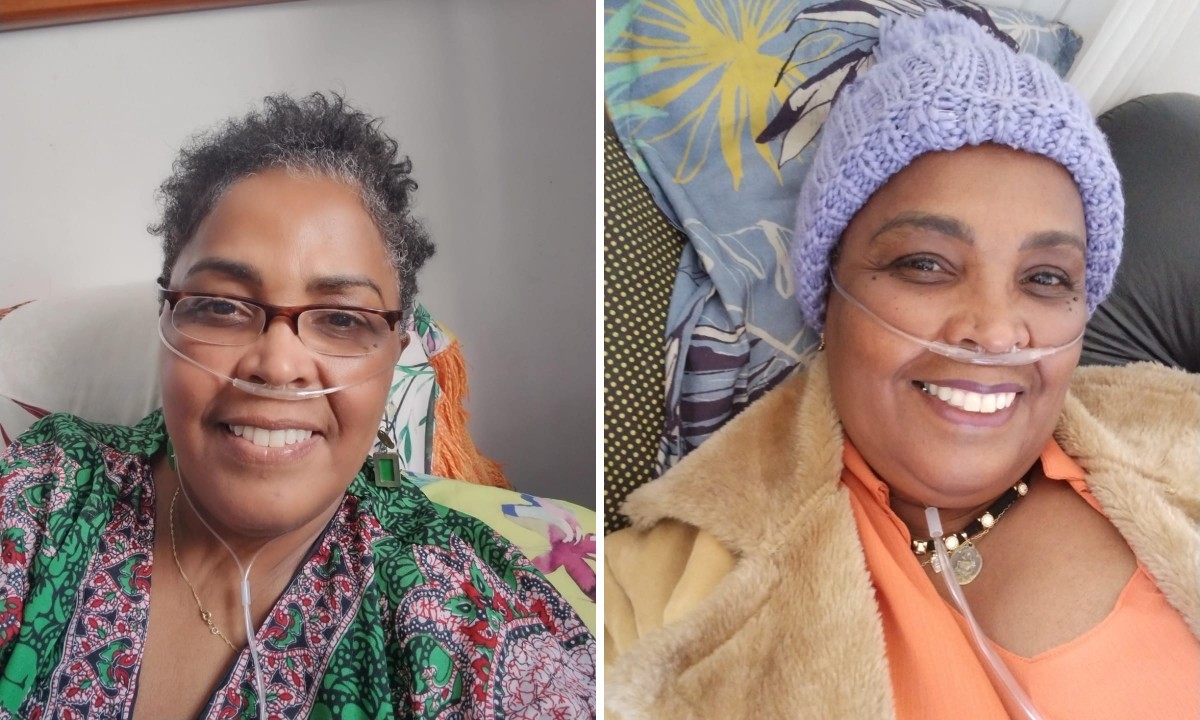
Lidia Oliveira Cunha, a 55-year-old retired nurse, endured 11 years of undiagnosed symptoms before receiving a diagnosis of pulmonary fibrosis caused by the autoimmune disease scleroderma. For over a decade, she masked her worsening cough and fatigue, attributing them to bronchitis or asthma, while working in hospitals. Her condition progressed to the point where she now requires supplemental oxygen for at least 18 hours a day and can only go about 40 minutes without it. The disease, characterized by scarring that stiffens the lungs and impairs function, significantly reduced her lung capacity from 64% to 62% despite ongoing treatment. Scleroderma, an autoimmune condition where the body attacks its own tissues, often manifests with skin thickening but can severely impact internal organs, particularly the lungs. Over 70% of scleroderma patients develop lung complications, making early detection crucial. Symptoms like dry cough, shortness of breath, and fatigue are often mistaken for common ailments or aging, delaying diagnosis. In Brazil, patients can wait up to five years to see a specialist and receive a diagnosis, partly due to limited access to high-resolution chest CT scans and pulmonary function tests. Early stages of the disease, when inflammation is prevalent, are more responsive to treatment than established fibrosis. Lidia now relies on her siblings for assistance with daily tasks, including bathing, and faces societal stigma, with some people wrongly assuming she is unwilling to work. She actively manages her mental well-being, focusing on her current feelings rather than life expectancy. Pulmonary rehabilitation, including respiratory physiotherapy and aerobic exercises, is vital for maintaining muscle strength and independence, with specialists emphasizing that avoiding physical activity due to breathlessness can worsen deconditioning.
This case highlights the critical challenge of diagnosing rare autoimmune diseases that present with non-specific symptoms, leading to prolonged diagnostic odysseys. The delay in Lidia Oliveira Cunha's diagnosis underscores systemic issues in healthcare access and specialist referral pathways, particularly in regions like Brazil where timely access to advanced diagnostic tools is limited. The progression from inflammation to irreversible fibrosis emphasizes the urgency of early intervention in autoimmune-related lung diseases. Future healthcare systems must leverage AI and advanced diagnostics for earlier pattern recognition of complex conditions, integrating dermatological and rheumatological findings with pulmonary assessments to circumvent delays. Public health campaigns are needed to raise awareness about less common presentations of autoimmune disorders, moving beyond stereotypical symptom profiles to enable more proactive patient and clinician engagement.
AI-generated to prompt reflection — not editorial opinion, not advice, not a statement of fact. How this works.