Nurses Use Facial Expression Chart to Assess Children's Pain
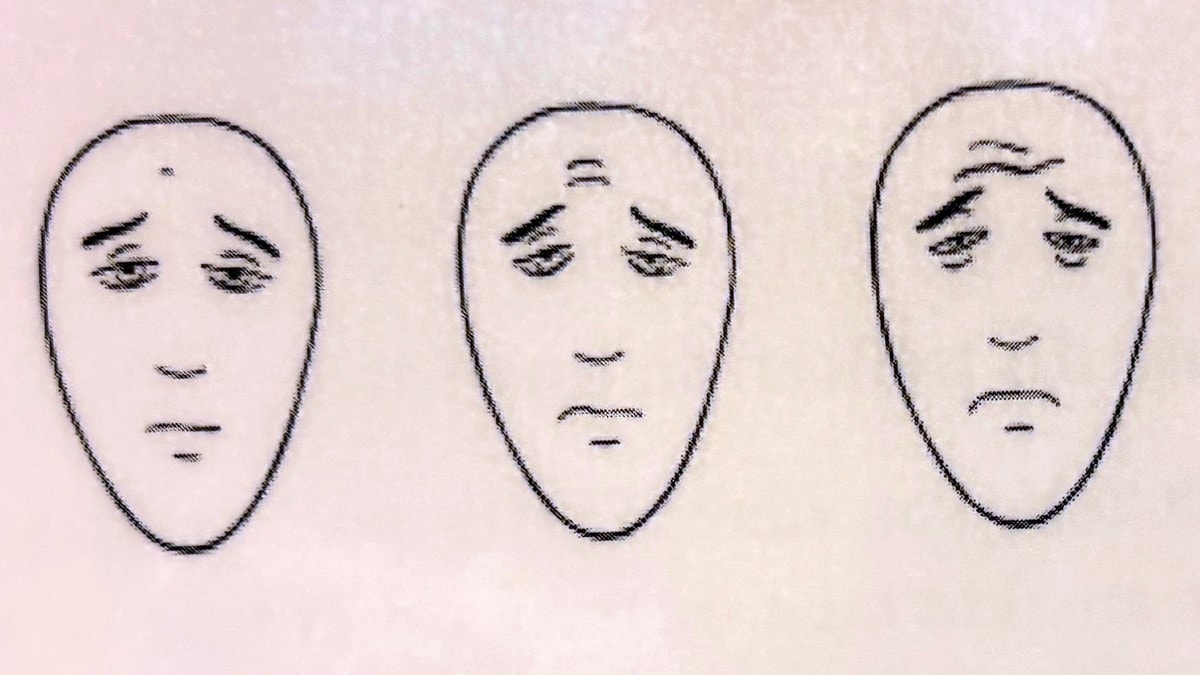
Nurses in Norway have adopted a new method for assessing pain in children by using a ruler featuring different facial expressions. This innovative approach led to a significant realization among the nursing staff. The tool allows children to point to the face that best represents their level of discomfort. This visual aid helps bridge the communication gap, especially with younger children or those who may struggle to articulate their pain verbally. The implementation of this chart has reportedly improved the accuracy and efficiency of pain assessment in pediatric care. This method aims to ensure that children receive appropriate pain management promptly. The 'aha' moment for the nurses signifies a breakthrough in understanding and addressing pediatric pain effectively. The use of this specialized ruler is becoming an integral part of their clinical practice.
The introduction of a visual pain assessment tool for children represents a positive step towards more empathetic and effective pediatric healthcare. By translating subjective pain experiences into a standardized visual scale, healthcare providers can improve diagnostic accuracy and tailor treatment more precisely. This approach acknowledges the communication challenges inherent in pediatric care and leverages non-verbal cues to ensure patient needs are met. Over the next decade, advancements in AI and digital health could further refine such tools, potentially incorporating real-time physiological data alongside facial expression analysis for a more comprehensive understanding of a child's well-being. This highlights the ongoing evolution of patient-centered care, driven by technological innovation and a deeper understanding of human communication.
AI-generated to prompt reflection — not editorial opinion, not advice, not a statement of fact. How this works.