Nursing Council Upholds Ethical Ban on Key Units at Campina Grande Municipal Hospital
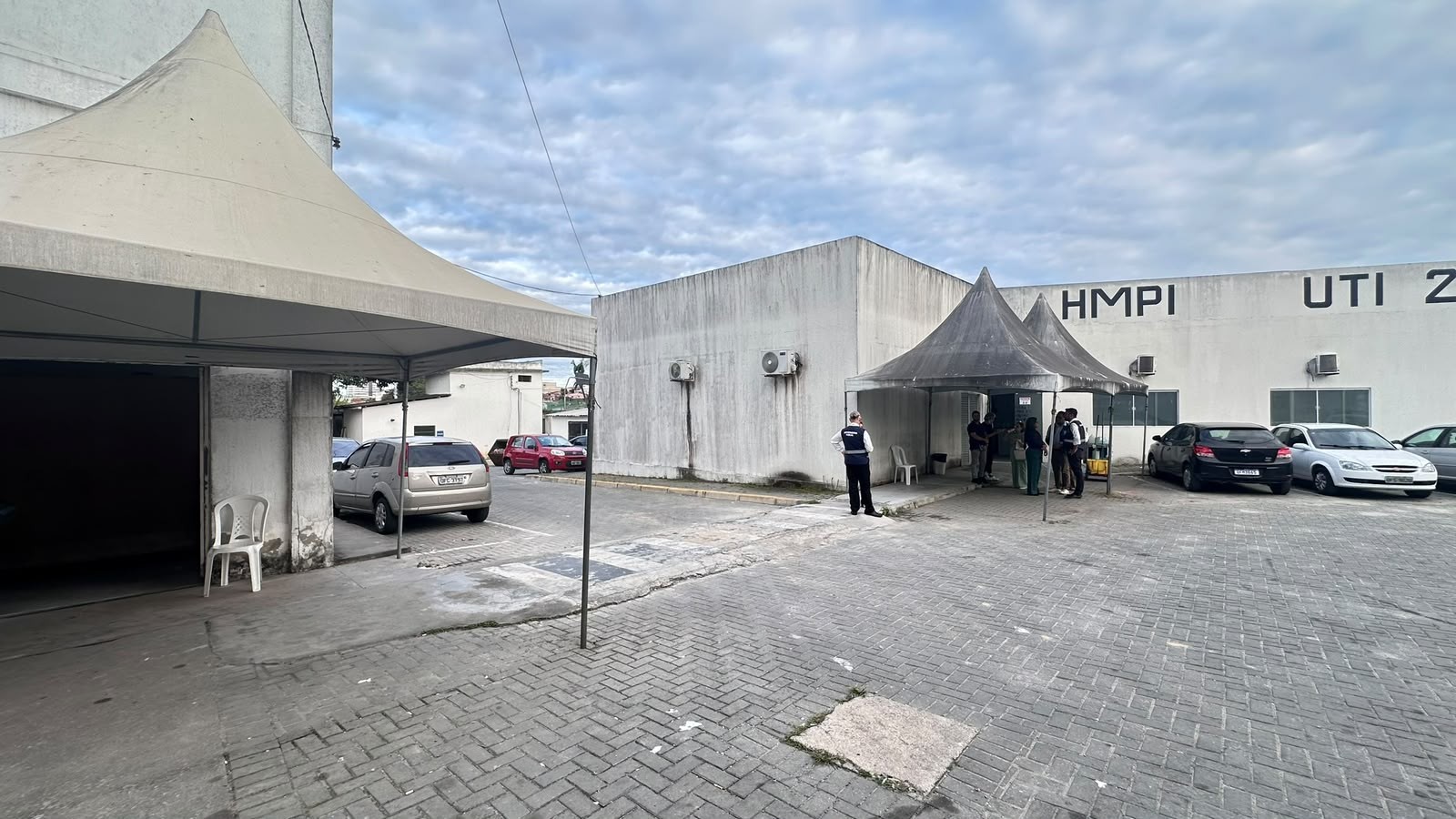
The Regional Nursing Council of Paraíba (Coren-PB) has decided to maintain the ethical suspension of nursing activities in the Intensive Care Unit 2 (ICU 2) and Nursing Post 2 at the Pedro I Municipal Hospital in Campina Grande. This decision follows a recent inspection that found the issues leading to the initial ban, imposed in November 2025, have not been fully resolved. A technical visit by a fact-finding commission on Tuesday, the 7th, evaluated the hospital's request for the ban to be lifted. Despite the hospital's claims of structural and organizational improvements, the commission's report concluded that significant non-conformities persist, jeopardizing patient safety, nursing professionals, and the quality of care.
During the inspection, several structural and organizational deficiencies were re-identified. These include exposed plumbing and drains from the air conditioning system in ward bathrooms, a lack of electrical outlets at bed heads, inadequate proximity between electrical and medical gas systems, construction materials and workers present in care areas without physical isolation, waste accumulation in circulation areas, and the absence of electric showers in patient bathrooms. These issues violate regulations from ANVISA, the National Patient Safety Program, the Nursing Professional Practice Law, and Cofen resolutions, posing risks to patient care and professional practice. Coren-PB President Thiago Roniere stated the ethical ban is preventive and will remain until all issues are corrected and verified in a new inspection. The partial ethical ban was first implemented in November 2025 due to serious structural and care deficiencies in the Central Sterilization Unit, ICU 2, and Nursing Post 2, concerning material processing, structural inadequacies, infection control risks, and unsafe conditions.
The continued ethical interdiction of critical hospital units highlights a persistent gap between stated improvements and actual patient safety standards. This situation underscores the complex interplay between regulatory oversight, institutional resource allocation, and the practical implementation of healthcare protocols. The documented deficiencies, ranging from basic electrical safety to proper waste management and construction site protocols, suggest systemic issues in operational management and quality control. Moving forward, sustained regulatory scrutiny, coupled with transparent reporting on corrective actions and independent verification, will be crucial. The long-term challenge lies in fostering a culture of continuous improvement that proactively addresses potential risks, rather than reacting to regulatory enforcement, to ensure the consistent delivery of safe and high-quality patient care within the evolving healthcare landscape.
AI-generated to prompt reflection — not editorial opinion, not advice, not a statement of fact. How this works.