Nursing Technician Arrested for Allegedly Diverting Hospital Drugs for Trafficking in ES
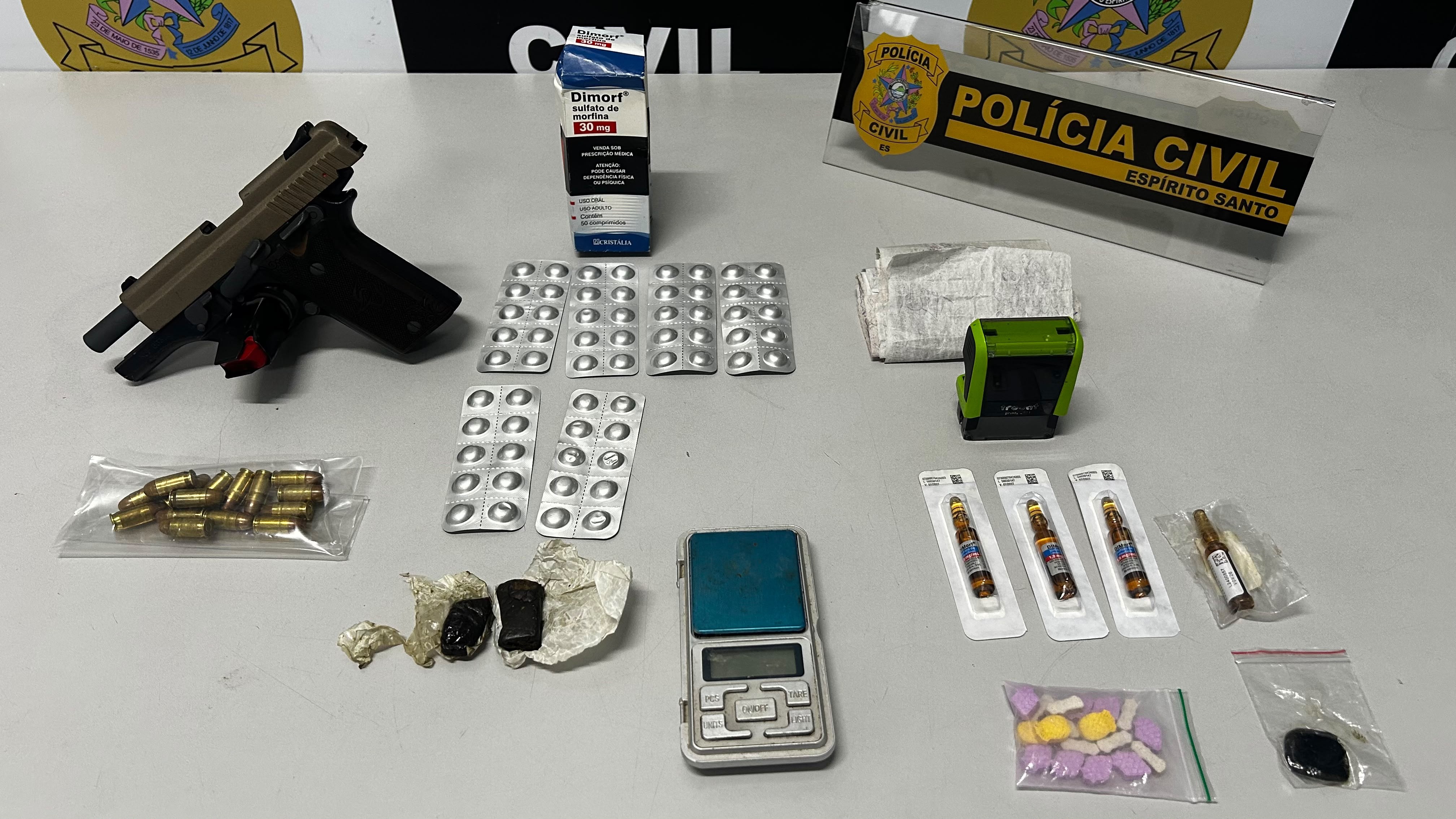
A 31-year-old nursing technician has been arrested in Cariacica, Espírito Santo (ES), Brazil, on suspicion of diverting hospital-grade medications, including fentanyl, morphine, adrenaline, and ketamine. Authorities also arrested a 37-year-old man in Vila Velha, who is believed to be the recipient of these diverted drugs, allegedly for use in the drug trade. The arrests were made on June 20th, with details released on Wednesday, June 29th. During the operation, police seized 80 morphine tablets, three morphine ampoules, one haloperidol ampoule, 18 ecstasy tablets, hashish, a pistol, 15 rounds of ammunition, and a precision scale. Both suspects were detained in flagrante delicto and their arrests were converted to preventive detention. The investigation began in November of the previous year after the arrest of an alleged intermediary between the nursing technician and the drug buyer. According to the deputy head of the Specialized Narcotic Department (Denarc), Fernanda Prado, the nursing technician and the final recipient did not know each other directly. The intermediary would acquire the diverted medications and resell them to individuals involved in drug trafficking, who then allegedly mixed them with other substances like cocaine to create adulterated drugs for sale. Morphine was found in both the technician's and the alleged buyer's residences. The technician's home also yielded ecstasy pills, while the buyer's residence contained an unlicensed firearm. The investigation is ongoing to determine the specific healthcare facility from which the drugs were diverted, as the technician has been in the profession for six years. The technician denied diverting morphine, claiming she forgot it in her pocket, but admitted to possessing ecstasy for sale due to financial need. Evidence of communication with incarcerated individuals was also found at her home, potentially intended for her husband, who is imprisoned for robbery. The head of Denarc, Ricardo Almeida, stated that drug traffickers use such diverted medications to enhance the potency of other drugs, making them more addictive and profitable.
This incident highlights systemic vulnerabilities in pharmaceutical supply chain security within healthcare facilities, particularly concerning highly potent and controlled substances like fentanyl and morphine. The alleged diversion and repurposing of these medications for illicit drug markets points to a potential intersection of healthcare access and criminal enterprise, driven by profit motives and potentially exacerbated by financial pressures on individuals within the healthcare sector. Future considerations should include enhanced inventory tracking, stricter access controls, and robust auditing protocols to mitigate such diversions. Furthermore, understanding the demand-side pressures that lead to the adulteration of street drugs with pharmaceutical compounds is crucial for comprehensive harm reduction and law enforcement strategies. The case also underscores the importance of investigating the full network, from diversion points to end-user markets, to dismantle these illicit supply chains effectively.
AI-generated to prompt reflection — not editorial opinion, not advice, not a statement of fact. How this works.