Nursing technician arrested for allegedly torturing and assaulting severely disabled teen
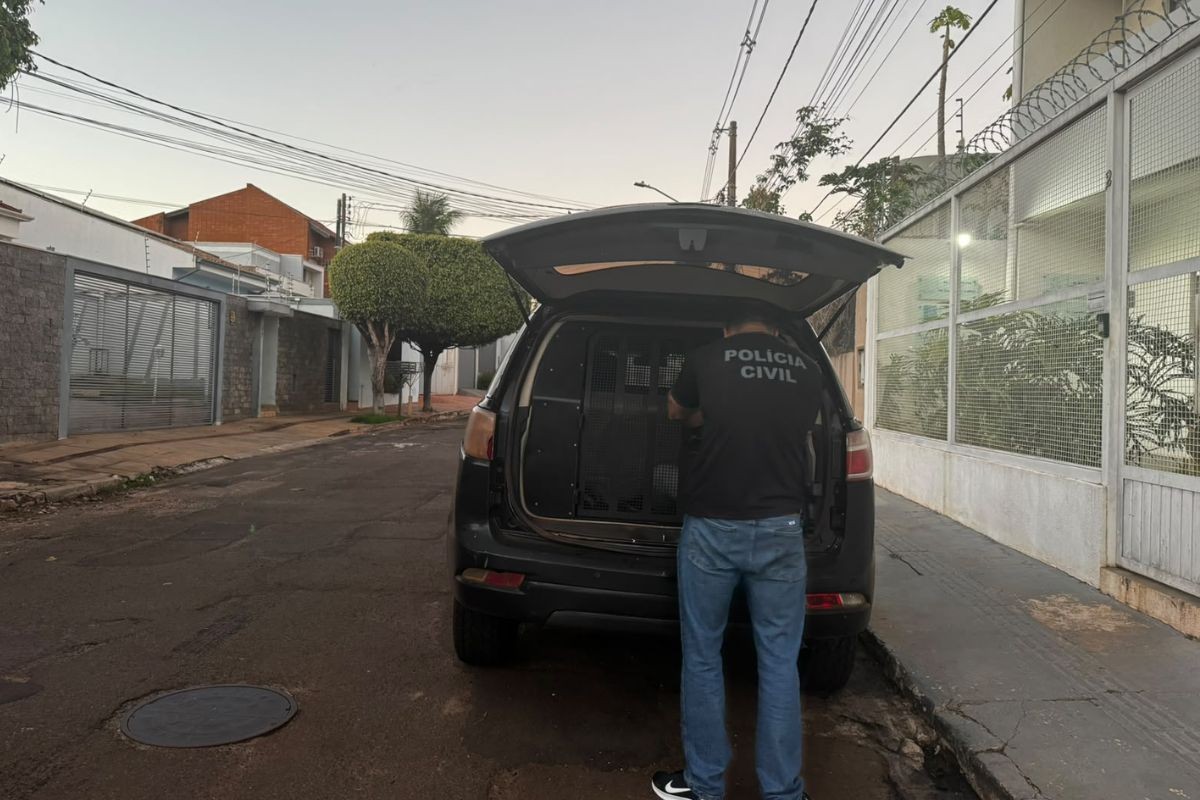
A 28-year-old nursing technician has been arrested in Campo Grande, Brazil, on suspicion of torturing and assaulting a 14-year-old boy with severe disabilities. The technician was providing home care for the adolescent, who suffers from chronic encephalopathy, cannot communicate verbally, and requires constant care. The family hired a company that assigned the technician to assist the youth for several months. Suspicion of mistreatment arose when the parents and other professionals noticed significant changes in the teenager's behavior, including sleep disturbances, night terrors, agitation, and an increase in seizures. Upon reviewing security camera footage, the family observed the technician tilting the boy's wheelchair in a manner that put him at risk of aspiration. The investigation also revealed instances where the suspect allegedly slapped the adolescent on the head and face. Furthermore, the technician reportedly smoked near the boy, despite knowing about his severe pulmonary issues. The Specialized Police Unit for the Protection of Children and Adolescents (DEPCA) requested the suspect's preventive detention, which was granted by the court. The technician has been interrogated and is awaiting a custody hearing.
This incident highlights critical vulnerabilities within in-home care systems for individuals with severe disabilities. The alleged actions of the nursing technician underscore the importance of robust oversight, continuous monitoring, and stringent background checks for caregivers. The family's diligence in noticing behavioral changes and utilizing surveillance technology proved instrumental in uncovering the alleged abuse. Moving forward, the healthcare industry and regulatory bodies should explore enhanced accountability mechanisms, potentially including mandatory real-time monitoring for high-risk caregiving situations and more frequent, unannounced welfare checks. The case also raises questions about the vetting processes of caregiving agencies and the need for clear protocols for reporting suspected abuse, ensuring that vulnerable individuals are adequately protected within their own homes.
AI-generated to prompt reflection — not editorial opinion, not advice, not a statement of fact. How this works.