Nursing technician arrested for allegedly torturing severely disabled teen in Brazil
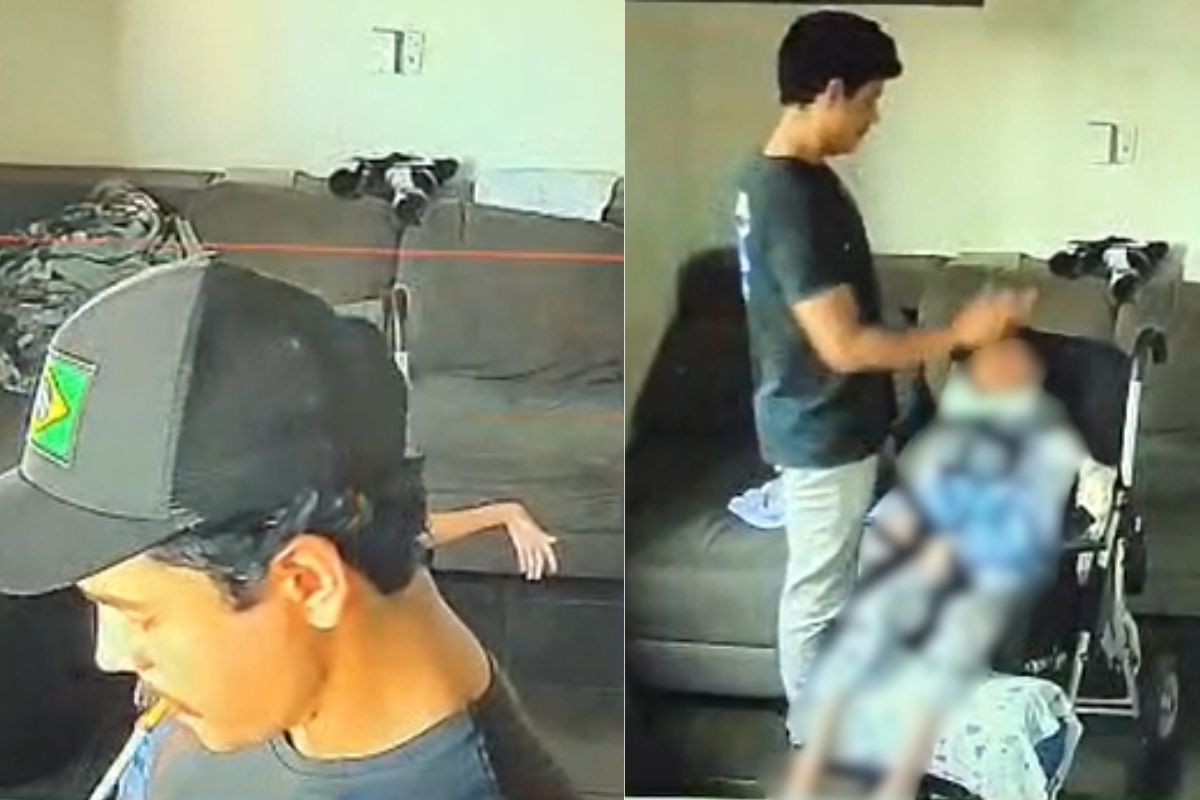
A 28-year-old nursing technician, Caio Ribeiro Mota, has been arrested in Campo Grande, Brazil, for allegedly assaulting and torturing a 14-year-old boy with severe disabilities. Security camera footage captured Mota allegedly mistreating the adolescent during home care visits. The victim's father, Carlos Roberto Silveira, reported that his son, who suffers from chronic encephalopathy, is blind, non-verbal, and requires constant care, began experiencing increased seizures, hospitalizations for aspiration pneumonia, and sleep disturbances. These symptoms worsened significantly after Mota began working for the family approximately six months prior. The father noted that the boy, born prematurely at five months gestation, is bedridden, unable to walk or speak, and has difficulty swallowing, necessitating thickened liquids to prevent aspiration. The family grew suspicious when the boy exhibited fear and distress upon Mota's approach and noticed his condition deteriorated primarily after Mota's shifts. Further suspicion arose when the father observed the boy consuming a large amount of water—around 200 milliliters—in one sitting, indicating he had not been adequately hydrated by the caregiver. The security footage reportedly shows Mota tilting the boy's wheelchair to position his head downwards, increasing aspiration risk, and also shows instances of slapping the boy's head and face. The investigation also revealed Mota allegedly smoked near the adolescent, despite knowing his severe lung issues. The Specialized Police Department for the Protection of Children and Adolescents (DEPCA) requested Mota's preventive detention, which was authorized by the court. The family has also reported the incident to the Regional Nursing Council (Coren) and is seeking justice, aiming to prevent similar abuse of vulnerable individuals.
The alleged actions of the nursing technician highlight critical vulnerabilities within home-based care systems for individuals with severe disabilities. The incident underscores the importance of robust oversight mechanisms, including continuous monitoring and mandatory reporting protocols for caregivers, to safeguard patients. The use of security cameras, while effective in this case, raises broader questions about privacy versus protection in caregiving environments. Future systems may need to integrate technological safeguards with human oversight, focusing on caregiver training, psychological screening, and transparent communication channels between families and care providers. Addressing the systemic issues that may lead to such abuses, such as caregiver burnout or inadequate support structures, will be crucial for preventing future tragedies and ensuring the dignity and safety of all individuals requiring specialized care.
AI-generated to prompt reflection — not editorial opinion, not advice, not a statement of fact. How this works.