Nursing Technician Arrested for Arson Killing Two Men in Brazil
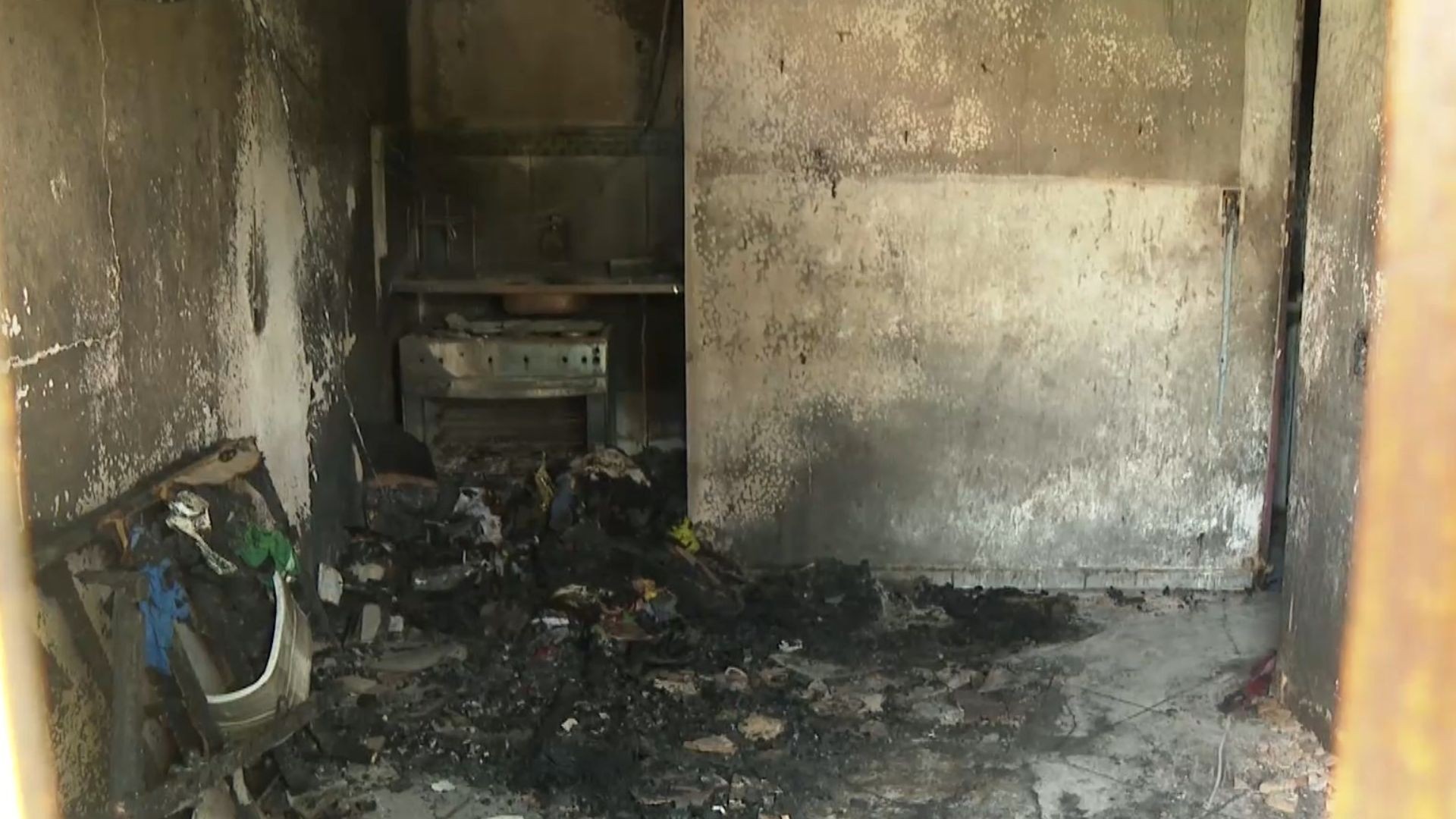
A 49-year-old nursing technician, Heliane da Costa Silva, has been arrested while working at a health post in Vila Velha, Espírito Santo, Brazil. She is accused by the Civil Police of committing arson in January of this year, which resulted in the deaths of two men in Cariacica. The fire occurred at a property in the Vila Isabel neighborhood and is believed to have been set due to a dispute with the homeowner, who was not present during the incident. The two victims were found deceased from asphyxiation, having been locked inside a bathroom. Investigations suggest the motive stemmed from a disagreement following the disappearance of Silva's cell phone during a gathering the previous night. Silva had allegedly accused the homeowner of stealing the phone and, in retaliation, set the house on fire. The judicial order for her preventive detention cited the crime's frivolous motive and cruel execution, as the victims suffered intense smoke inhalation before death. The court also noted the danger posed to neighboring residents and the victims' inability to defend themselves due to the suddenness of the attack. Silva was apprehended in civilian vehicles while attending to a patient and is expected to be transferred to the prison system. The Vila Velha City Hall stated that her temporary contract will be terminated.
The arrest of a nursing technician for a fatal arson highlights the critical intersection of personal disputes and severe criminal acts. This incident underscores the importance of robust conflict resolution mechanisms and mental health support within communities, particularly for individuals in demanding professions. The legal determination of 'frivolous motive' and 'cruel execution' points to systemic failures in preventing escalation from minor disagreements to acts of extreme violence. In the context of an increasingly interconnected and technologically reliant society, the rapid spread of information and potential for misunderstandings, as suggested by the missing phone dispute, necessitates greater emphasis on de-escalation strategies and digital citizenship education. Future societal resilience may depend on fostering environments that prioritize empathy and non-violent conflict resolution, thereby mitigating the risk of such tragic outcomes.
AI-generated to prompt reflection — not editorial opinion, not advice, not a statement of fact. How this works.