Nursing technician arrested for attempting to steal newborn in Brazil
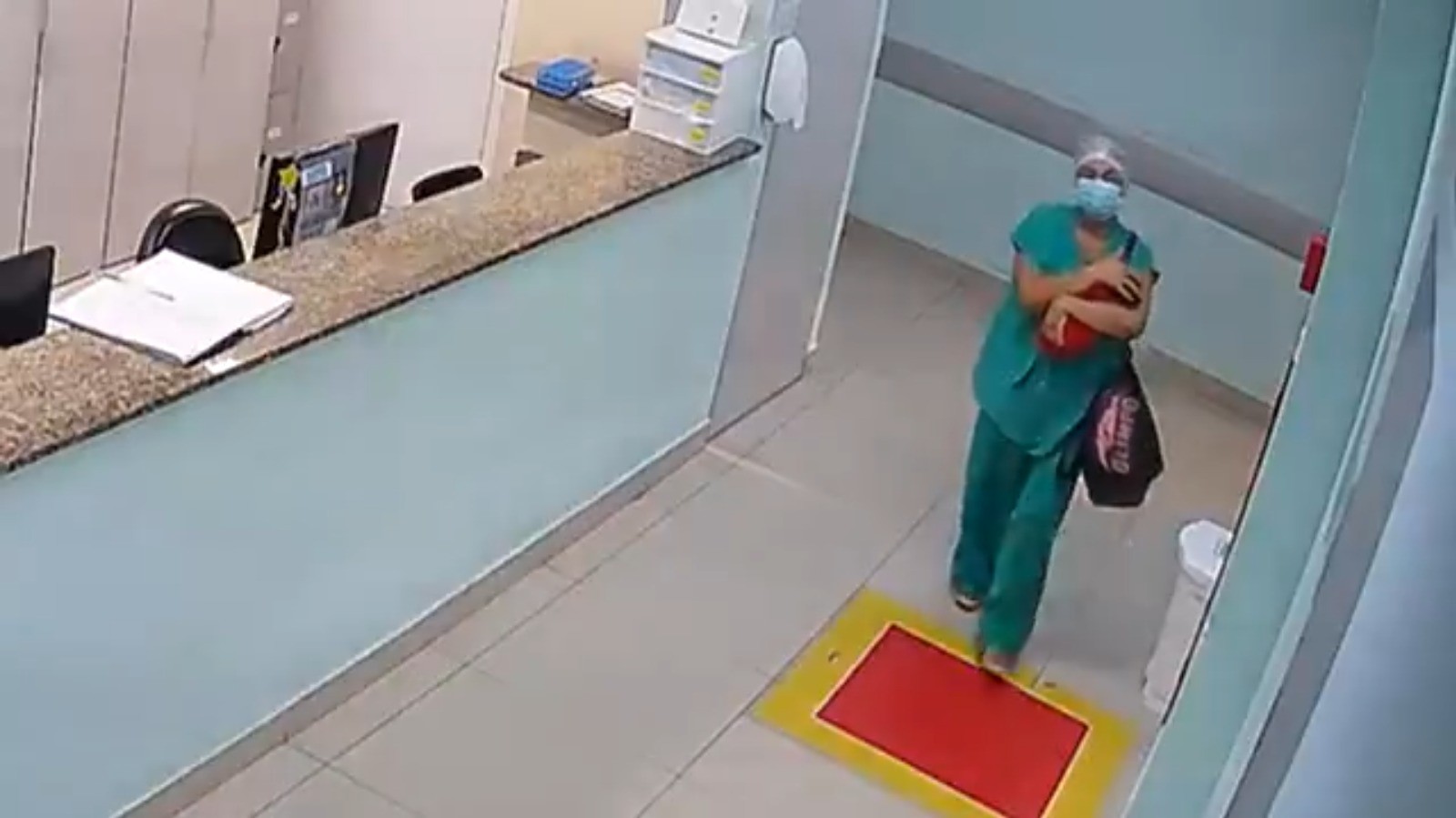
Police in Teresina, Piauí, Brazil, are investigating a nursing technician, Auricélia de Sousa Rocha, who was arrested for attempting to remove a newborn from the Maternidade Dona Evangelina Rosa. Eleven people have been interviewed as part of the inquiry, which is being led by the Child and Adolescent Protection Police Station (DPCA). The primary focus of the investigation is to determine if anyone else assisted Rocha in planning or executing the attempted kidnapping. Security camera footage from the maternity ward shows Rocha placing the infant into a bag. The escape was thwarted when the baby's aunt became suspicious and discovered the child inside the bag. The Service of Mobile Emergency Care (Samu) of Teresina clarified that Rocha never worked for their institution, despite appearing in photos wearing a Samu uniform from her graduation ceremony. Rocha's defense team plans to request the revocation of her preventive detention, citing a diagnosis of acute polymorphic psychotic disorder with schizophrenic symptoms and her use of psychiatric medication. They assert she has impaired comprehension of the events. However, the lead investigator stated that the investigation is not currently considering mental illness as a factor that would absolve her of criminal responsibility. At Rocha's residence, police found a room prepared for a baby, complete with diapers, clothing, a bathtub, and a crib. Relatives reportedly believed Rocha was pregnant, though she had not provided proof. Rocha chose to remain silent during her initial questioning.
This incident highlights the critical need for robust security protocols within healthcare facilities, particularly maternity wards, to prevent unauthorized removal of newborns. The investigation into potential accomplices and the suspect's alleged mental health condition raises complex questions about institutional oversight and individual accountability. While the defense points to a diagnosed psychological disorder, law enforcement's stance on criminal responsibility underscores the legal framework's emphasis on the capacity to understand the nature and consequences of one's actions. Future considerations should include enhanced background checks for all personnel with access to vulnerable patients and improved psychological support systems within the healthcare workforce. The presence of a prepared nursery at the suspect's home suggests a potential premeditated motive, further complicating the assessment of her mental state and intent.
AI-generated to prompt reflection — not editorial opinion, not advice, not a statement of fact. How this works.