Nvidia GPU Driver Ported to Haiku OS for 3D Graphics Acceleration
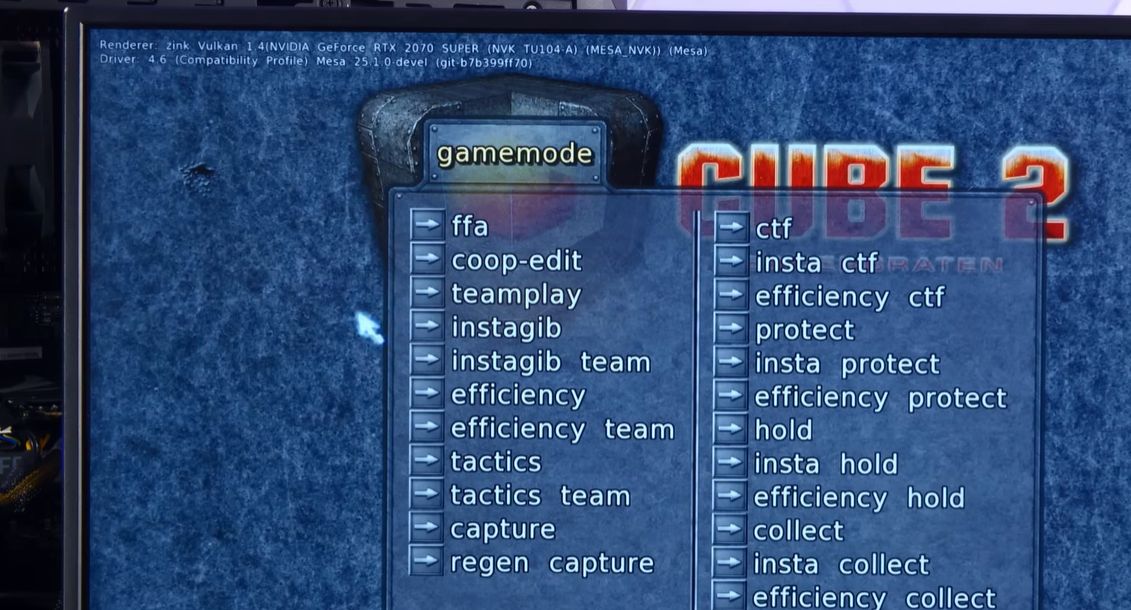
Haiku OS has taken a significant step towards achieving full 3D graphics acceleration with the successful porting of the Nvidia GPU driver. This development addresses a long-standing challenge for the open-source operating system, which has historically lacked robust support for high-performance graphics. The porting effort aims to bring the capabilities of Nvidia's widely used graphics processing units to the Haiku platform. This will enable users to experience smoother performance in graphically intensive applications and games. The integration of this driver is crucial for Haiku's evolution as a viable desktop operating system. It signifies a major advancement in making Haiku more competitive with other established operating systems. The successful implementation is expected to open up new possibilities for software development and user experience on Haiku. Further testing and optimization will likely follow to ensure full compatibility and performance.
The successful porting of the Nvidia GPU driver to Haiku OS represents a critical step in the operating system's journey toward full desktop functionality. This advancement addresses a key technical hurdle, enabling Haiku to leverage powerful hardware for 3D graphics. Such integration is vital for competing in a modern computing landscape where graphical performance is increasingly important for user experience and application compatibility. By enabling hardware acceleration, Haiku can potentially attract a broader user base and encourage more sophisticated software development. This move highlights the ongoing efforts within niche operating systems to bridge the gap with mainstream platforms through strategic hardware support, demonstrating a commitment to user-centric development and long-term viability.
AI-generated to prompt reflection — not editorial opinion, not advice, not a statement of fact. How this works.