Nvidia Hides GPU Hotspot Temps, But Internal Tools Reveal Throttling Issues
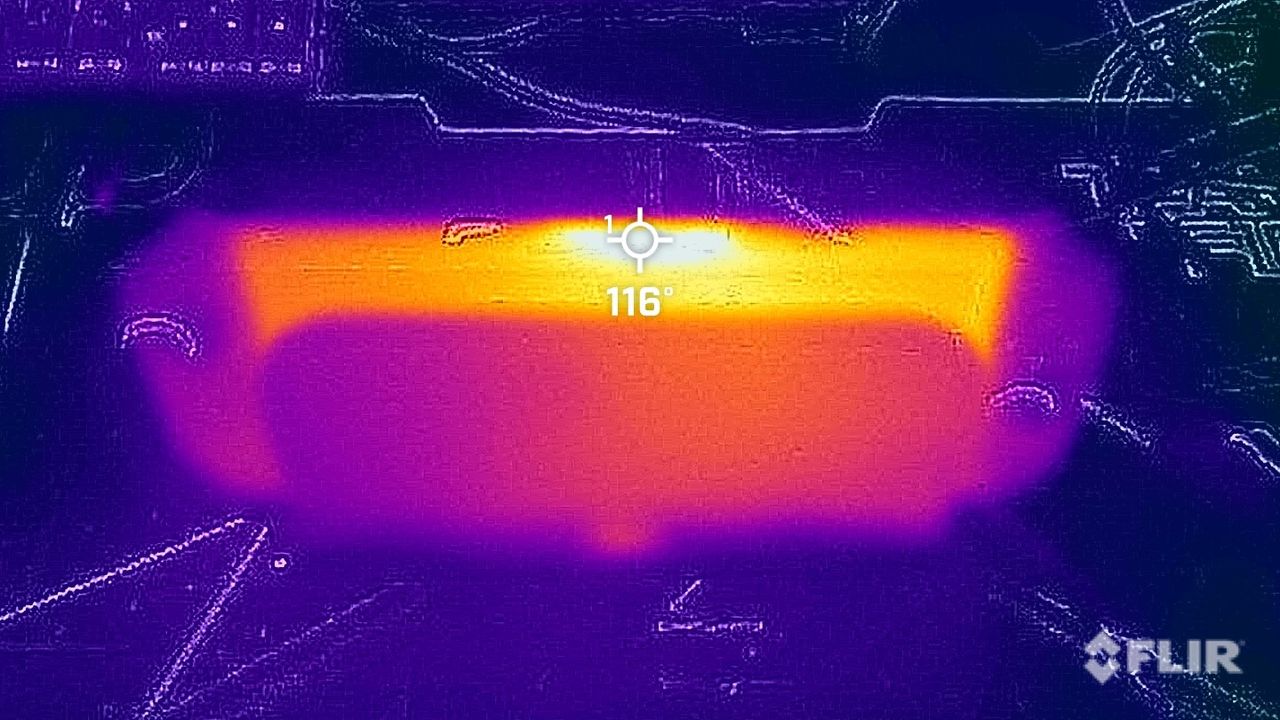
Nvidia has reportedly concealed the hotspot temperature readings on its new RTX 50 series gaming GPUs. However, internal diagnostic tools, specifically Nvidia's proprietary "MODS" software, are still capable of accessing this data. Recent findings using these internal tools have exposed instances where GPUs, such as a potential Nvidia RTX 5070 Ti, are experiencing significant overheating. These cards were observed throttling at temperatures as high as 107°C. The data suggests that poor thermal interface material (TIM) application may be a contributing factor to these elevated temperatures. The ability to access this thermal data internally raises questions about the decision to hide it from consumers, potentially indicating an effort to obscure performance issues related to thermal management.
The decision by Nvidia to obscure hotspot temperature data on its RTX 50 series GPUs, while maintaining internal access, suggests a strategic approach to managing consumer perception of product performance. By limiting direct visibility of thermal throttling points, Nvidia may aim to mitigate potential negative publicity or customer concerns arising from high operating temperatures, particularly if such issues are linked to manufacturing variations like TIM application. This practice highlights a common tension in the technology sector between transparency and brand image management. As AI and high-performance computing continue to drive demand for increasingly powerful GPUs, the long-term implications of such thermal management strategies will be critical. Ensuring robust and consistent thermal performance is paramount for user satisfaction and the sustained reliability of advanced hardware in the evolving technological landscape.
AI-generated to prompt reflection — not editorial opinion, not advice, not a statement of fact. How this works.