Nvidia RTX 50 Series Prices Surge Up to 30% in South Korea Amid Production Cost Increases
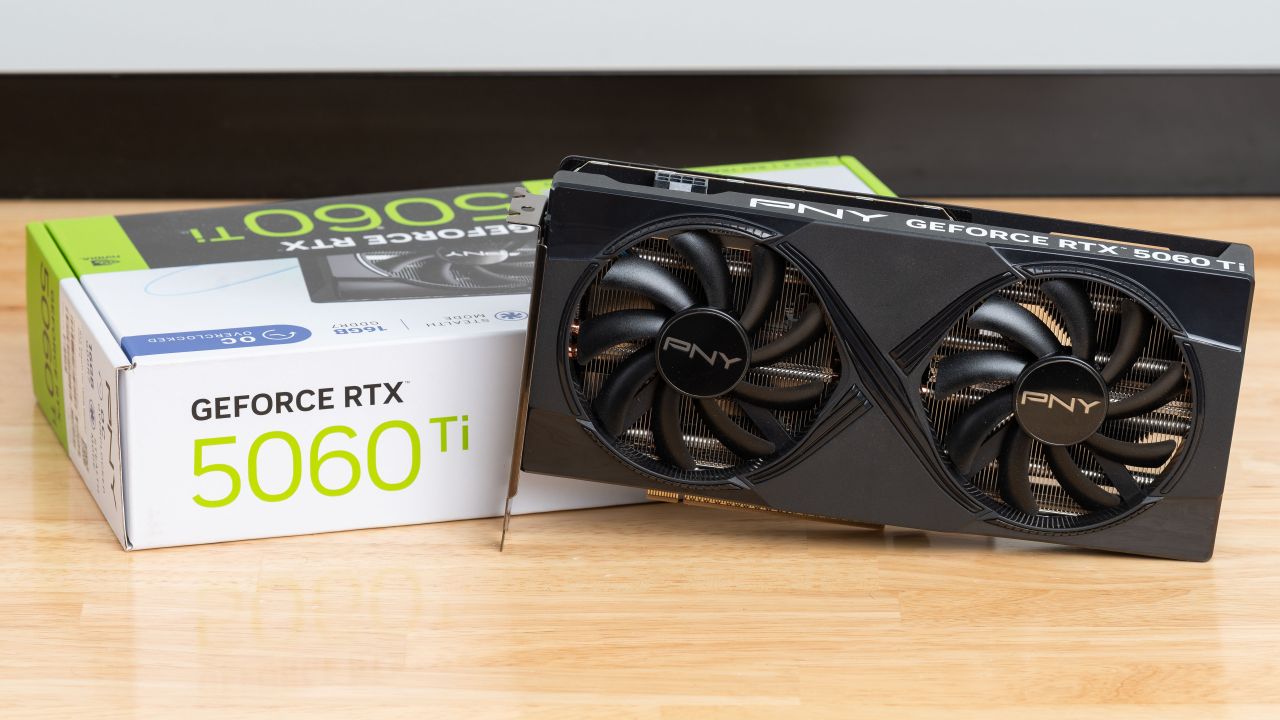
Nvidia's upcoming RTX 50 series graphics cards are expected to see significant price hikes of up to 30% in South Korea. This surge is attributed to increased manufacturing expenses, notably higher wafer costs from TSMC and the introduction of more expensive GDDR7 memory modules. The flagship RTX 5090 model is projected to exceed $5,100, reflecting the substantial impact of these rising production costs. The price increases are anticipated to affect the entire range of RTX 50 series cards, with the most premium models experiencing the largest jumps. This development signals a challenging market entry for Nvidia's next-generation GPUs, potentially impacting consumer adoption and market dynamics.
The reported price increases for Nvidia's RTX 50 series GPUs, driven by elevated TSMC wafer costs and GDDR7 module expenses, illustrate the complex interplay between semiconductor manufacturing economics and consumer-facing product pricing. Such cost pressures, if sustained, could influence market demand and Nvidia's strategic decisions regarding product segmentation and feature sets in future generations. This situation also highlights the critical role of supply chain partners and their pricing power in shaping the competitive landscape of the high-performance computing sector. Investors and consumers alike will be monitoring how these cost adjustments affect market share and technological adoption over the next decade, particularly as AI-driven demand continues to reshape the GPU market.
AI-generated to prompt reflection — not editorial opinion, not advice, not a statement of fact. How this works.
