Nvidia Ships Limited AI Chips to China Amid US Export Restrictions
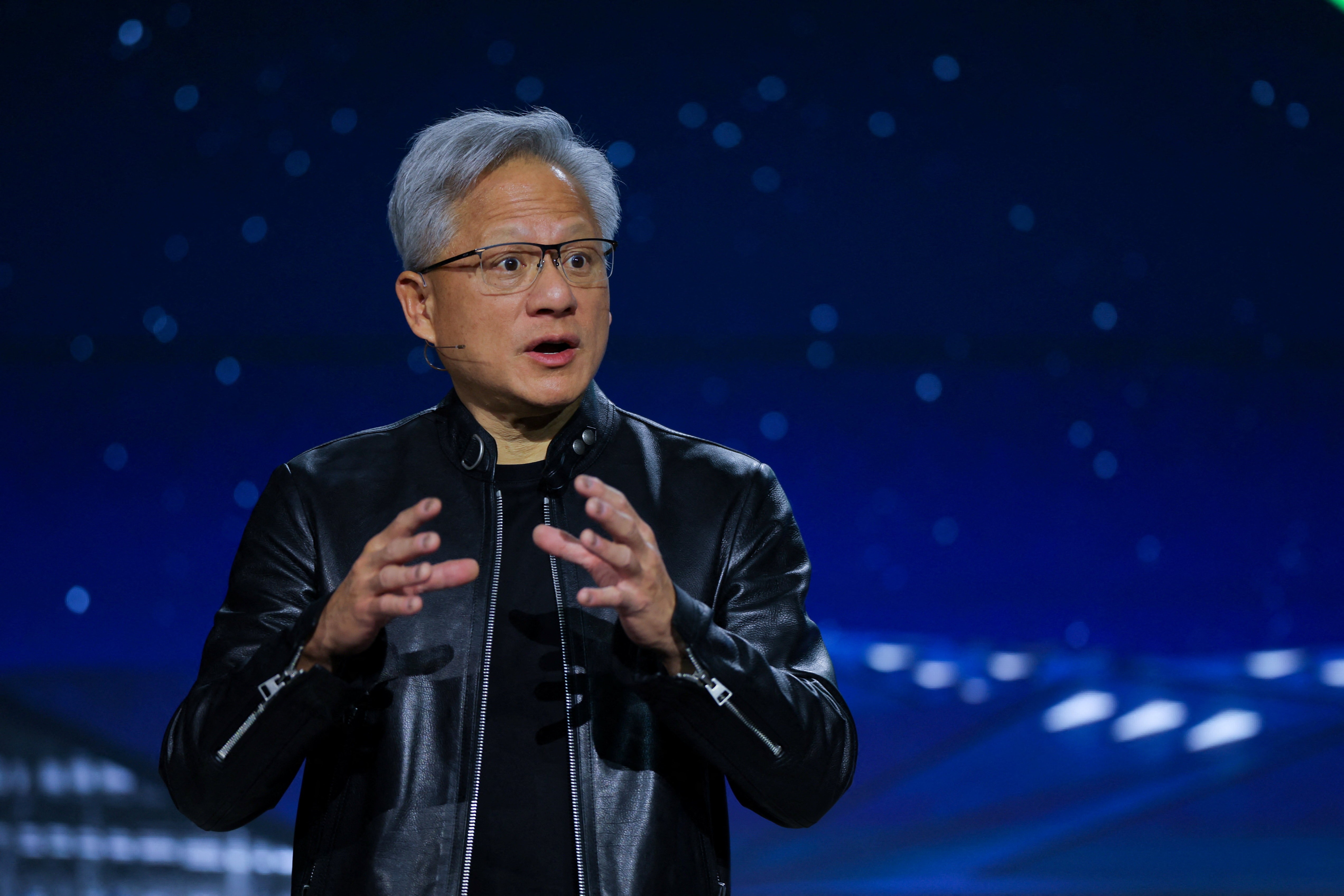
A senior US official confirmed to Congress that Nvidia has begun shipping a small number of its H200 AI chips to China. Jeffrey Kessler, the Assistant Secretary of Commerce for Industry and Security, stated that "minimal exports" of the H200, Nvidia's second-most powerful AI processor, have occurred. The number of chips sent is described as "very small."
These shipments follow US government authorization for several Chinese companies to purchase advanced AI chips. A subsidiary of ZTE Corp and two other Chinese firms are among the entities recently cleared to buy chips from Nvidia and AMD. Previously, in May, the Commerce Department had approved sales of H200 chips to approximately ten Chinese companies, including tech giants like Alibaba, Tencent, and ByteDance, though no deliveries had been made at that time. The Commerce Department has provided Congress with a confidential list of H200 purchase requests and their statuses.
However, concerns have been raised about the pace of US export controls. Representative Gregory Meeks criticized the Commerce Department for not adding more Chinese companies to the export control list since October, marking the longest period without new additions in over a decade. Meeks suggested that former President Trump used export controls as leverage in broader negotiations with China and weakened existing safeguards by approving licenses for advanced AI chips. Kessler defended the administration's approach, emphasizing the importance of enforcing restrictions on companies already on control lists and indicated that new AI regulatory measures are forthcoming. Reuters also reported in June that the Commerce Department delayed adding DeepSeek and about 100 other Chinese companies to its restrictions list, a move reportedly aimed at preventing escalation of tensions with Beijing.
The US government's policy on exporting advanced AI semiconductors to China reflects a complex balancing act between national security concerns and economic interests. The stated objective is to prevent China from acquiring technology that could bolster its military capabilities, a goal that necessitates careful scrutiny of export licenses. However, the dynamic also involves significant commercial implications for US chip manufacturers like Nvidia, whose global market share is substantial. The administration's approach, characterized by selective approvals and ongoing reviews, suggests an attempt to manage technological competition without triggering a full-scale trade war or unduly harming domestic industry. The debate within Congress highlights differing views on the effectiveness and pace of these controls, with some advocating for stricter measures and others expressing concern over perceived strategic missteps. Future policy will likely continue to evolve, influenced by geopolitical developments, technological advancements, and the economic performance of key industry players.
AI-generated to prompt reflection — not editorial opinion, not advice, not a statement of fact. How this works.