Nvidia Unveils DLSS 5 with Three AI Modes for Enhanced Detail and Real-Time Model Switching
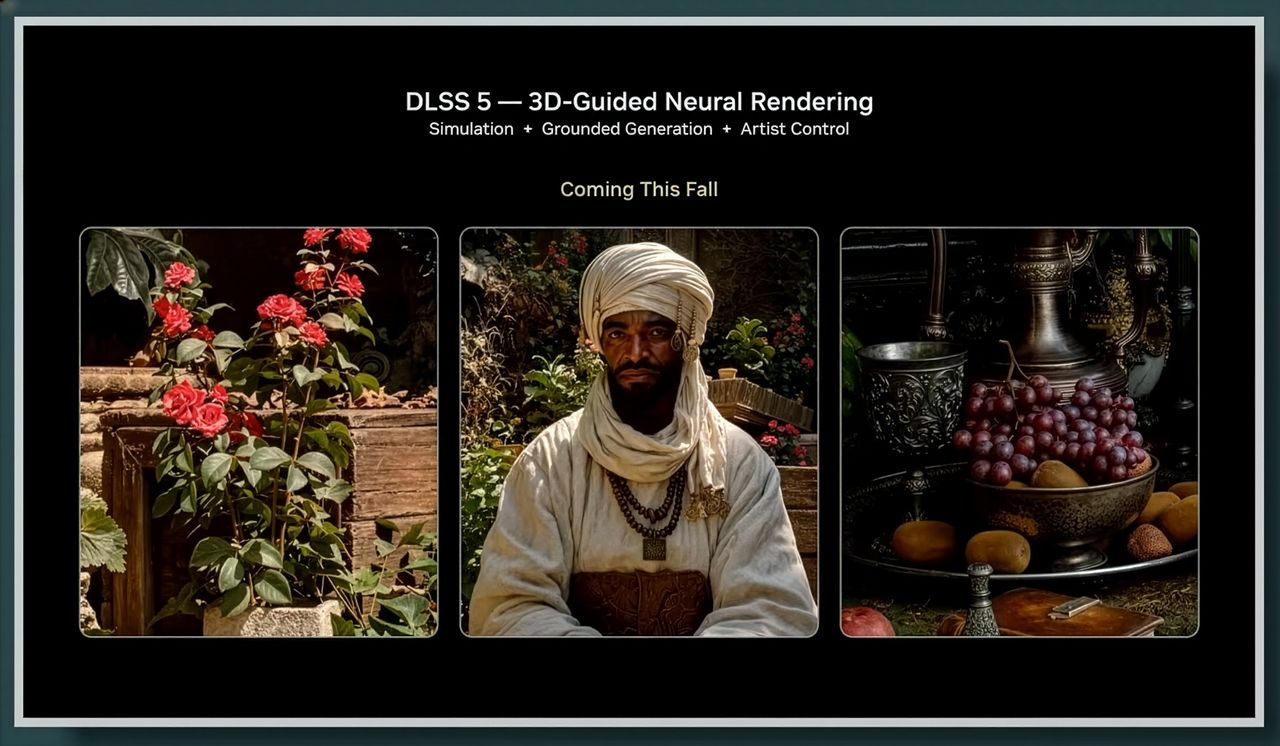
Nvidia has revealed further details about its upcoming DLSS 5 technology, which will offer developers greater control over image upscaling. The new version introduces three distinct AI models, each designed to cater to different levels of detail and visual fidelity. This allows for object-level tweaking, enabling developers to fine-tune the upscaling process for specific elements within a scene. A key innovation is the ability for the upscaler to switch between these models in real-time. This dynamic switching means the system can adapt its approach on the fly, potentially optimizing performance and visual quality based on the on-screen content. The announcement suggests a significant advancement in AI-powered graphics rendering, promising more sophisticated and adaptable visual enhancements for future games and applications.
Nvidia's introduction of DLSS 5 with multiple, dynamically switchable AI models represents a significant evolution in real-time graphics rendering. This approach moves beyond a one-size-fits-all upscaling solution, offering developers granular control to balance performance and visual fidelity more effectively. The ability to switch models in real-time suggests a sophisticated system architecture capable of complex decision-making, potentially driven by scene complexity or specific object characteristics. As AI continues to permeate all aspects of computing, such advancements highlight the growing importance of intelligent systems in optimizing resource-intensive tasks like graphics processing. The long-term implications may include more immersive and visually rich digital experiences, while also pushing the boundaries of what is computationally feasible within current hardware constraints.
AI-generated to prompt reflection — not editorial opinion, not advice, not a statement of fact. How this works.