NY Mayor Clarifies Stance on Netanyahu Arrest Amid ICC Warrant
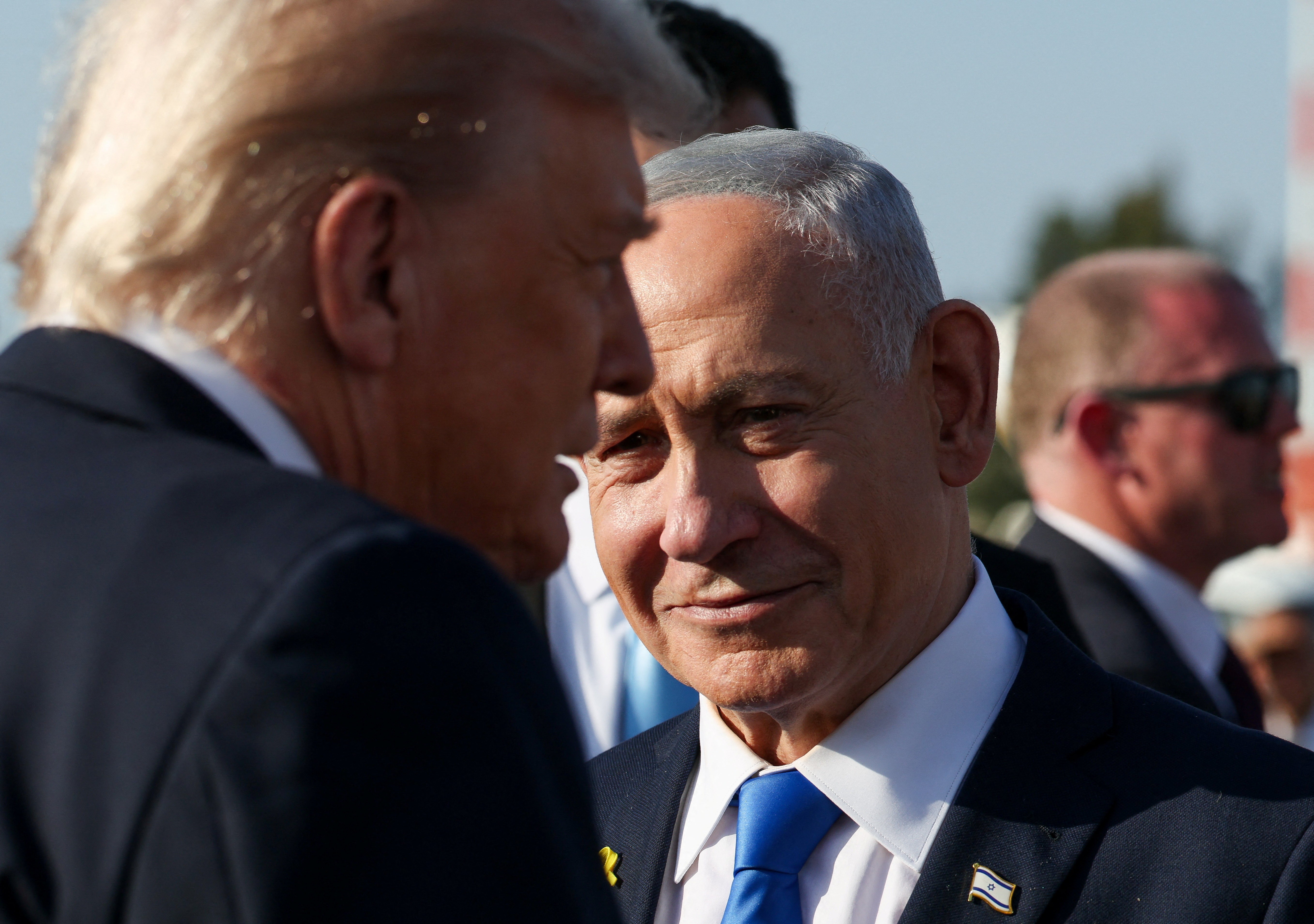
New York City Mayor Zohran Mamdani has clarified his position regarding the potential arrest of Israeli Prime Minister Benjamin Netanyahu. Mamdani had previously suggested he would consider arresting Netanyahu if the prime minister visited New York for the UN General Assembly in September, following an arrest warrant issued by the International Criminal Court (ICC). However, Mamdani recently stated he lacks the legal authority to carry out such an arrest. This statement addresses the broader question of whether Netanyahu could be apprehended in the United States based on the ICC warrant, which was issued in November 2024 for alleged war crimes and crimes against humanity related to the conflict in Gaza. International law experts consulted by Reuters indicate that there are significant legal hurdles. A primary obstacle is that the U.S. has not ratified the Rome Statute, the treaty establishing the ICC, and therefore does not recognize the court's jurisdiction or have mechanisms to enforce its warrants. Furthermore, the American Service Members' Protection Act of 2002 explicitly prohibits the U.S. government from handing over individuals to the ICC. U.S. opposition to the ICC predates Donald Trump's presidency, stemming from concerns that the court could prosecute American military personnel and officials without U.S. consent. Trump's administration has intensified this stance, imposing sanctions on ICC officials and campaigning to weaken the court, which he called an "intolerable threat to the sovereignty of the United States." Secretary of State Marco Rubio characterized the ICC and its allies as waging a war against the U.S. through legal statutes. While theoretically, countries party to the Rome Statute are obligated to execute ICC warrants, practical enforcement depends on individual governments' political will. For example, Netanyahu visited Hungary in April 2025 despite the warrant, with Prime Minister Viktor Orbán refusing to comply and announcing Hungary's withdrawal from the ICC. European allies like Canada, the Netherlands, and Italy have stated they would respect ICC decisions, though cases involving heads of government often lead to diplomatic and legal disputes.
The legal and political complexities surrounding international arrest warrants highlight the tension between national sovereignty and international law. The U.S. position, rooted in the non-ratification of the Rome Statute and the Service Members' Protection Act, reflects a broader geopolitical strategy to shield its citizens and allies from the ICC's jurisdiction. This approach, amplified by the Trump administration's sanctions and rhetoric, aims to isolate the ICC and diminish its influence. While countries party to the Rome Statute are theoretically bound to enforce warrants, the practical application, as seen with Hungary's stance, demonstrates the significant leverage of political discretion. This dynamic raises questions about the future effectiveness of international justice mechanisms in an era where powerful nations can opt out or actively undermine them, potentially creating safe havens for individuals facing international scrutiny and impacting global accountability frameworks.
AI-generated to prompt reflection — not editorial opinion, not advice, not a statement of fact. How this works.