NYC Mayor Considers Arresting Netanyahu During UN General Assembly
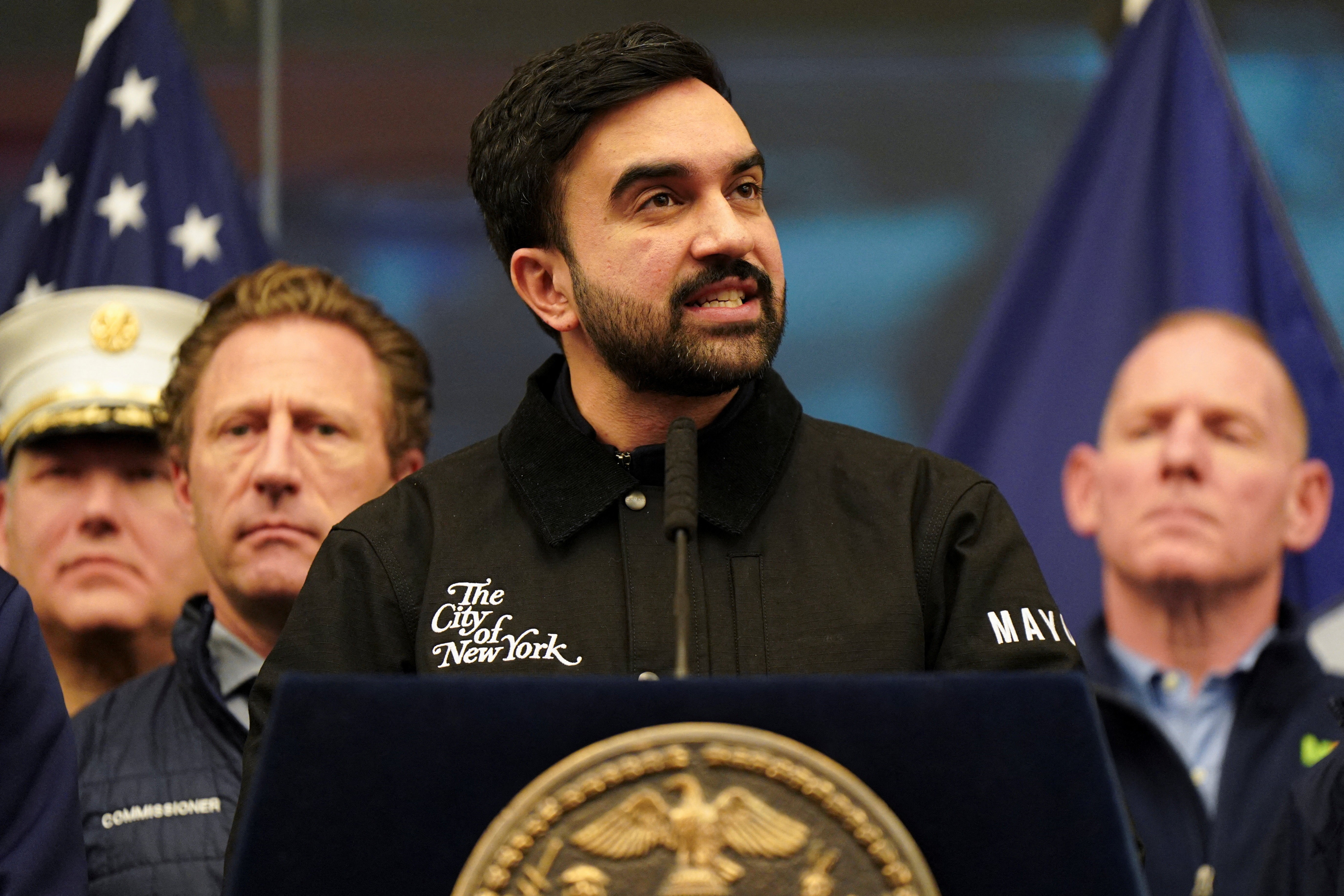
New York City Mayor Zohran Mamdani is considering attempting to arrest Israeli Prime Minister Benjamin Netanyahu during the upcoming UN General Assembly in September. Mamdani stated in an interview with The New York Times that he believes Netanyahu, whom he described as a "war criminal accused by the International Criminal Court (ICC)," belongs in The Hague. Mamdani, a leftist who has labeled Israel an "apartheid regime," suggested that this view is widely held due to Netanyahu's actions over the years. While unsure of his legal authority to order the NYPD to detain a foreign leader, Mamdani is consulting with the city's legal team, vowing to take any action permitted by law within New York City. He has previously pledged to use the NYPD to enforce arrest warrants from the ICC against leaders like Netanyahu and Russian President Vladimir Putin. The ICC stated in 2024 that there were reasonable grounds to believe Netanyahu was responsible for war crimes and crimes against humanity stemming from Israel's Gaza offensive after the October 7, 2023, Hamas attacks. In response, Israel's UN Ambassador Danny Danon criticized Mamdani, accusing him of inciting hostility and seeking headlines instead of addressing his mayoral duties and rising antisemitism in the city.
This situation highlights the complex intersection of municipal governance, international law, and geopolitical tensions. Mayor Mamdani's contemplation of arresting a foreign head of state, while potentially driven by a strong moral stance and alignment with ICC accusations, raises significant questions about the limits of local authority in foreign policy matters. The legal feasibility and diplomatic ramifications of such an action are substantial, potentially creating an unprecedented international incident. This event underscores the growing influence of non-state actors and local officials in expressing global political viewpoints, and the challenges they face in translating advocacy into concrete action within established legal and political frameworks. The response from Israel's UN Ambassador points to the broader debate surrounding criticism of Israel and the perception of antisemitism, indicating how such local pronouncements can escalate into international diplomatic discourse.
AI-generated to prompt reflection — not editorial opinion, not advice, not a statement of fact. How this works.