NYC Mayor Mamdani Explores Legal Options to Arrest Benjamin Netanyahu
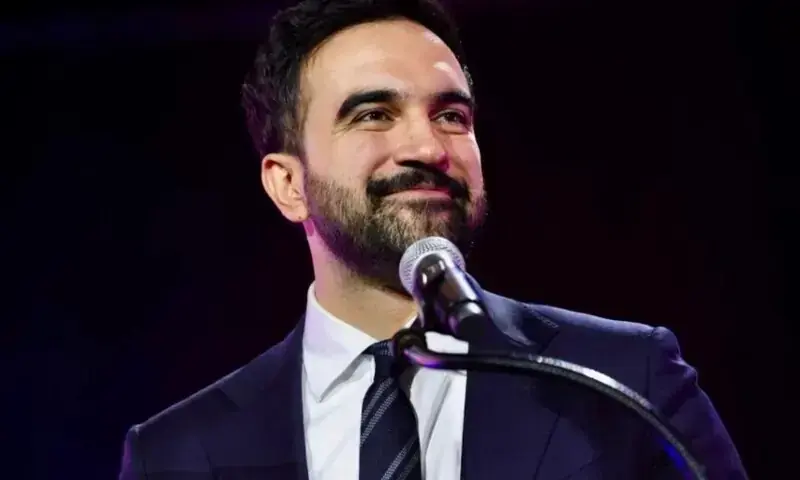
New York City Mayor Zohran Mamdani is actively consulting with the city's Law Department to determine if he possesses the legal authority to order the arrest of Israeli Prime Minister Benjamin Netanyahu should he visit the city. Netanyahu is currently sought by the International Criminal Court (ICC) for alleged war crimes and crimes against humanity, including the use of starvation as a weapon in the Gaza conflict. Mamdani expressed his belief that Netanyahu "belongs in The Hague," referencing the International Court of Justice, and labeled the Prime Minister a "war criminal" based on his actions. However, the mayor is uncertain about his power to direct the New York Police Department (NYPD) to detain a foreign leader. His administration is therefore deliberating on whether to arrest Netanyahu during his expected visit in September for the UN General Assembly's 81st session. Mamdani stated his intention to act within the bounds of New York City law, not to create new legal frameworks. He had previously pledged during his 2025 mayoral campaign to order the NYPD to arrest Netanyahu, whom he described as committing genocide in Gaza. Netanyahu, in response to Mamdani's statements, indicated he was unconcerned and accused the mayor of supporting Hamas, while Mamdani himself had previously condemned pro-Hamas chants and labeled the group a terrorist organization. The Prime Minister faces an upcoming election on October 27 and an ongoing corruption trial amidst international criticism of Israel's military operations. Earlier in April, Hungary's then-incoming prime minister, Peter Magyar, stated his country would enforce ICC warrants against anyone, following an invitation to Netanyahu.
This situation highlights the complex intersection of international law, domestic political authority, and geopolitical tensions. Mayor Mamdani's inquiry into arresting Prime Minister Netanyahu, while rooted in strong personal conviction and public sentiment regarding the ICC's allegations, faces significant legal and diplomatic hurdles. The core challenge lies in the jurisdictional limits of a municipal mayor and police department concerning foreign heads of government, especially when their visit is tied to international diplomatic functions like the UN General Assembly. The analysis of such actions must consider the potential for such statements to serve as political leverage or to reflect evolving public opinion, rather than immediate actionable policy. Furthermore, the differing legal interpretations and enforcement mechanisms between international courts and national jurisdictions create a dynamic where political rhetoric can outpace legal reality, potentially complicating diplomatic relations and underscoring the need for clear international legal frameworks and consistent enforcement.
AI-generated to prompt reflection — not editorial opinion, not advice, not a statement of fact. How this works.