NYC Mayor Zohran Mamdani Considers Arresting Netanyahu at UN Assembly
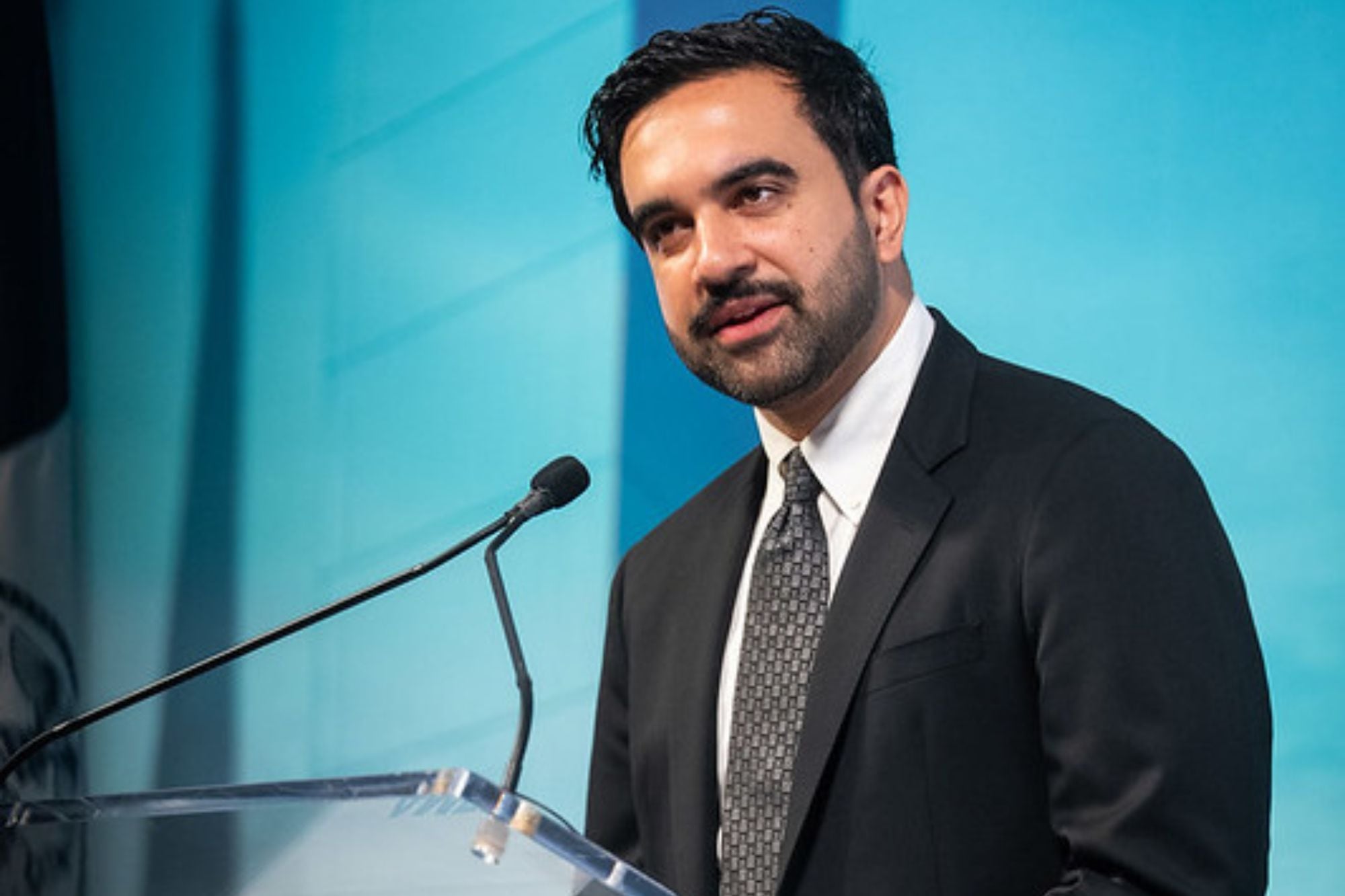
New York City Mayor Zohran Mamdani has stated that he is considering the possibility of arresting Israeli Prime Minister Benjamin Netanyahu during the upcoming UN General Assembly. Mamdani, described as a left-wing official, believes that Prime Minister Netanyahu bears responsibility for war crimes and crimes against humanity. However, legal specialists have raised questions regarding Mayor Mamdani's authority to initiate such an arrest. The situation highlights a significant political and legal tension surrounding the Israeli Prime Minister's presence and potential actions at international forums. The potential arrest, if pursued, would represent a highly unusual and consequential event involving a head of government. The debate over Mamdani's jurisdiction and the validity of his claims is ongoing among legal experts and international observers. This development underscores the complex geopolitical dynamics and legal challenges associated with accountability for alleged international offenses.
The assertion by NYC Mayor Zohran Mamdani regarding the potential arrest of Prime Minister Benjamin Netanyahu at the UN highlights the complex interplay between municipal authority, international law, and geopolitical sensitivities. While Mamdani's stance reflects a strong ethical position on alleged war crimes, the practical and legal feasibility of such an action by a city mayor is highly questionable. International diplomatic immunity and the jurisdiction of the International Criminal Court (ICC) typically govern such matters, not local executive powers. This situation may be viewed as an attempt to leverage a prominent international platform for political advocacy, potentially influencing public discourse more than enacting legal change. The ensuing debate among specialists underscores the critical need for clear jurisdictional boundaries in international justice, especially as global bodies like the UN convene, where national sovereignty and international accountability often intersect.
AI-generated to prompt reflection — not editorial opinion, not advice, not a statement of fact. How this works.