NYT Reaffirms Report on Alleged Israeli Plot to Assassinate Iranian Officials
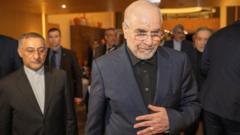
The New York Times has reiterated the accuracy of its report concerning an alleged Israeli plan to assassinate two prominent Iranian figures, Mohammad Bagher Ghalibaf and Abbas Araghchi. Ghalibaf holds the position of Speaker of the Parliament (Majlis), and Araghchi is a senior diplomat involved in nuclear negotiations. The report, published by the newspaper, detailed the purported Israeli scheme. In response to the initial reporting, the office of the Prime Minister of Israel vehemently denied the claims, characterizing the report as 'fake news and completely fabricated.' Despite this strong denial from the Israeli Prime Minister's office, The New York Times stands by its journalistic findings and has reasserted the veracity of its investigation into the alleged assassination plot.
This situation highlights the critical role of journalistic verification and the potential for geopolitical narratives to be shaped by intelligence reporting and counter-denials. The New York Times' reaffirmation suggests confidence in its sources and investigative process, while the Israeli Prime Minister's office's strong rebuttal points to a strategic interest in discrediting the report. In the current geopolitical climate, such allegations, whether substantiated or not, can influence international perceptions and diplomatic relations. The incident underscores the challenges in attributing specific actions to state actors and the complex interplay between media, intelligence, and international diplomacy, particularly in regions with ongoing strategic tensions. Future developments will likely depend on the availability of further evidence or official statements from involved parties.
AI-generated to prompt reflection — not editorial opinion, not advice, not a statement of fact. How this works.