Oak Processionary Moth Caterpillar Becomes a Nuisance
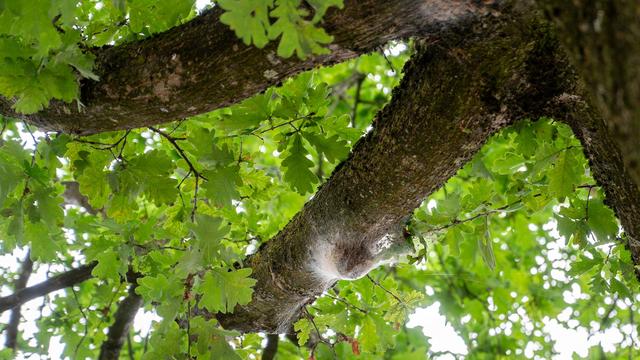
The oak processionary moth caterpillar is becoming a significant problem, leading to widespread concern. These caterpillars are known for their fine hairs, which can cause severe allergic reactions and skin irritation in humans and animals. The issue is particularly prevalent in Germany, where authorities are advising the public on how to handle encounters with the pests.
Residents are urged to avoid direct contact with the caterpillars and their nests, which are often found on oak trees. If contact occurs, immediate washing of the affected skin with soap and water is recommended. In cases of severe reactions, such as respiratory problems or extensive skin rashes, medical attention should be sought promptly.
Local authorities are implementing measures to control the spread of the oak processionary moth, including targeted removal of nests and public awareness campaigns. The caterpillars pose a threat not only to human health but also to the health of the oak trees themselves, as they can cause significant defoliation.
The proliferation of the oak processionary moth caterpillar highlights the complex interplay between ecological balance and public health in urban and peri-urban environments. As climate patterns shift, certain insect populations may experience favorable conditions for growth, leading to outbreaks that necessitate public health interventions and ecological management strategies. The challenge lies in balancing effective pest control with minimizing environmental impact and public exposure to allergens. Future management approaches may involve integrated pest management techniques, leveraging biological controls, and advanced monitoring systems to predict and mitigate outbreaks, thereby reducing reliance on broad-spectrum chemical treatments and enhancing community safety.
AI-generated to prompt reflection — not editorial opinion, not advice, not a statement of fact. How this works.