Oak Processionary Moth Caterpillars Cause Concern in Nordic Countries
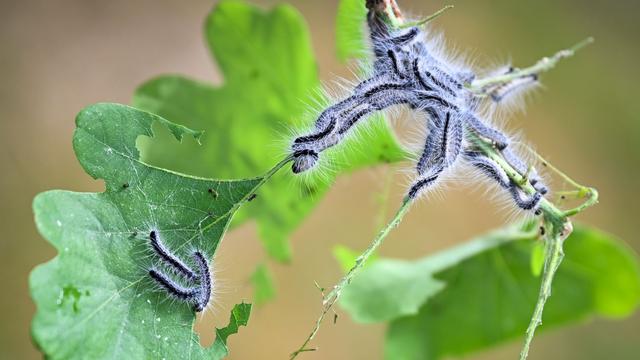
The Oak Processionary Moth (Thaumetopoea processionea), often referred to as 'hell caterpillars,' is causing significant unease in several Nordic countries. These caterpillars are known for their irritating hairs, which can cause allergic reactions and skin irritation in humans and animals. Their presence is particularly concerning for oak forests, as large infestations can lead to defoliation and weaken the trees. Environmental agencies and local authorities are monitoring the situation closely. Efforts are underway to track the spread of the moth and implement control measures where necessary. The caterpillars typically hatch in spring and are active throughout the summer months. Their populations have been observed to be increasing in recent years, prompting greater vigilance. The public is advised to avoid direct contact with the caterpillars and their nests. Specific regions are experiencing higher concentrations, leading to targeted interventions. The long-term ecological impact and the effectiveness of current management strategies are subjects of ongoing study.
The increasing prevalence of the Oak Processionary Moth across Nordic regions highlights the complex interplay between climate change, invasive species, and ecosystem health. As temperatures rise, the geographical range of such insects expands, posing new challenges to native biodiversity and human health. Management strategies will need to adapt, potentially shifting from reactive control to proactive ecological resilience building. This includes understanding the moth's life cycle, its predators, and the environmental conditions that favor its proliferation, in order to develop sustainable, long-term solutions that minimize ecological disruption and public health risks.
AI-generated to prompt reflection — not editorial opinion, not advice, not a statement of fact. How this works.