Oak Processionary Moth Caterpillars Prompt Closures of Unterspreewald Waterways
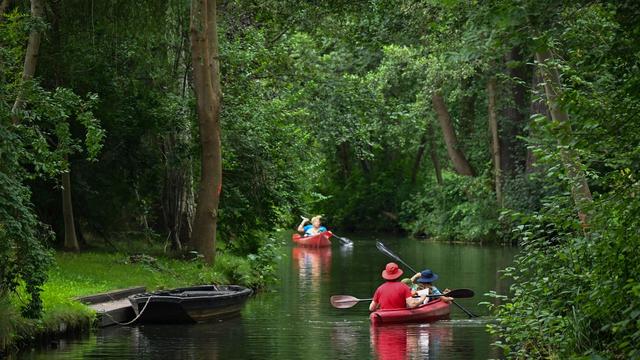
Several waterways in the Unterspreewald region have been temporarily closed due to the presence of oak processionary moth caterpillars. These caterpillars pose a health risk to humans and animals due to their urticating hairs, which can cause severe skin irritation and respiratory problems. The closures are a precautionary measure to protect the public and wildlife from potential exposure. Local authorities are monitoring the situation closely and will reopen the affected areas as soon as it is deemed safe. Residents and visitors are advised to avoid contact with the caterpillars and their nests. Information regarding the extent of the infestation and the duration of the closures is being disseminated through official channels. The oak processionary moth is a native species, but its populations can fluctuate, leading to increased nuisance during certain years. Environmental agencies are assessing the ecological impact and considering control measures. The primary concern remains public safety and minimizing health risks associated with the caterpillars' fine, venomous hairs.
The closure of Unterspreewald waterways due to oak processionary moth caterpillars highlights the recurring challenge of managing invasive or proliferating native species that pose public health risks. This situation underscores the need for robust ecological monitoring and rapid response protocols. As climate patterns shift, such events may become more frequent, necessitating adaptive management strategies that balance ecological health with human safety and recreational access. The economic impact on local tourism and the costs associated with containment and public advisories are significant considerations for regional governance. Future planning should explore integrated pest management approaches that minimize reliance on broad-spectrum interventions and promote long-term ecosystem resilience.
AI-generated to prompt reflection — not editorial opinion, not advice, not a statement of fact. How this works.