Oak Processionary Moth Infestation Widespread in Thuringia, Germany
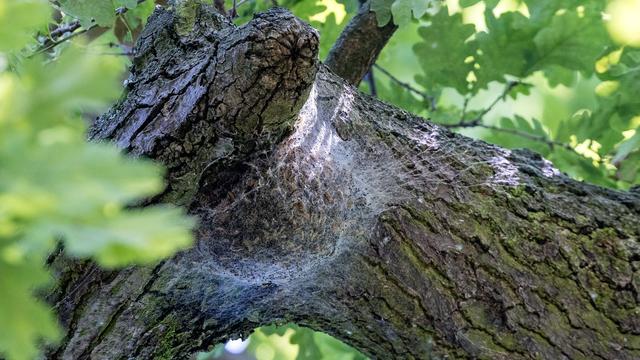
The oak processionary moth (Thaumetopoea processionea) has become widely prevalent across the German state of Thuringia. This insect poses a significant nuisance and potential health risk due to its urticating hairs. The caterpillars, which hatch in spring, feed on oak leaves and can cause skin irritation, respiratory problems, and allergic reactions in humans and animals. Their fine hairs are easily dispersed by wind and can remain hazardous for extended periods. Local authorities in Thuringia are monitoring the situation closely and advising residents on protective measures. These measures often include avoiding direct contact with the caterpillars and moths, keeping pets away from infested areas, and seeking medical attention if symptoms arise. The widespread nature of this infestation highlights a recurring ecological challenge in the region, requiring ongoing management strategies.
The proliferation of the oak processionary moth in Thuringia points to an ecological imbalance potentially exacerbated by climate shifts favoring insect populations. Management strategies will need to balance ecological control with public health concerns, considering the economic impact on forestry and tourism. Future approaches may involve integrated pest management, biological controls, and public awareness campaigns to mitigate the risks associated with the moth's urticating hairs, particularly as such infestations become more frequent.
AI-generated to prompt reflection — not editorial opinion, not advice, not a statement of fact. How this works.