Obsessive Dreamers May Live in a 'Parallel World,' Expert Suggests
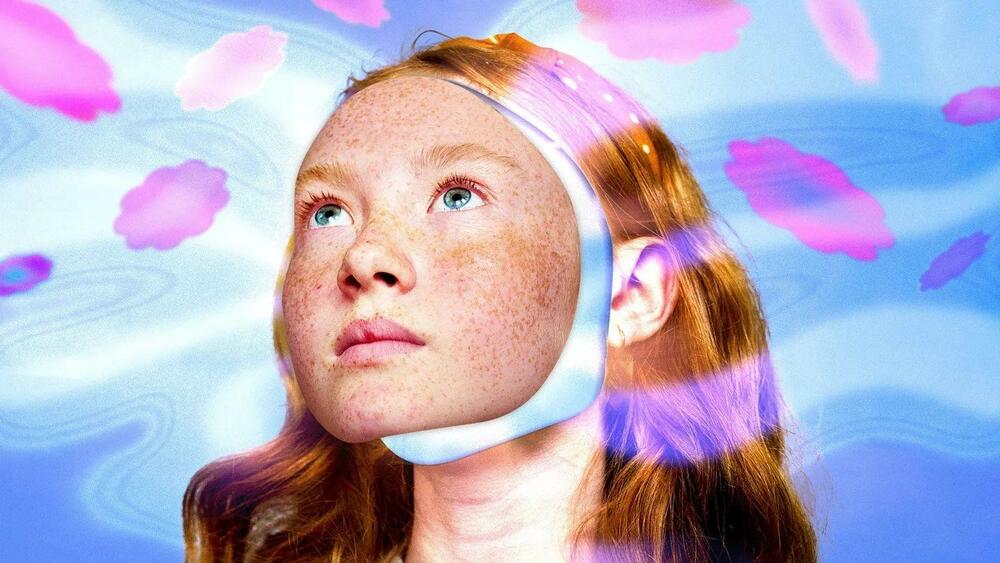
In extreme cases, individuals can spend up to 12 hours per day dreaming, according to Colin Ross, a psychiatrist and researcher from the United States. Ross's work suggests that these obsessive dreamers might be experiencing a reality akin to a 'parallel world.' This phenomenon involves an intense and prolonged immersion in dream states, significantly impacting waking life. The research highlights the potential psychological depth and complexity of such experiences. Further investigation into these cases could offer new insights into consciousness and the human mind. The extensive time spent dreaming raises questions about the boundaries between internal experience and external reality. Ross's findings point to a spectrum of dreaming intensity, with some individuals exhibiting highly unusual patterns.
The concept of individuals spending extensive periods in dream states, potentially up to 12 hours daily, raises questions about the interplay between subjective experience and objective reality. From a systems perspective, this suggests a potential disconnect where internal cognitive processes may dominate external environmental engagement. Understanding the underlying neurological or psychological mechanisms driving such prolonged immersion could inform therapeutic interventions. Future considerations might involve exploring how societal structures and technological advancements, particularly in virtual reality and AI, could either exacerbate or offer novel management strategies for such intense internal experiences, prompting a re-evaluation of consciousness in the digital age.
AI-generated to prompt reflection — not editorial opinion, not advice, not a statement of fact. How this works.