Ocean Deoxygenation Threatens Ecosystems by Century's End, US Researchers Warn
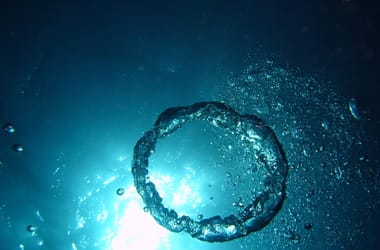
US researchers have issued a stark warning that natural waters could lose so much oxygen by the end of this century that it could fundamentally disrupt entire aquatic ecosystems. This potential widespread deoxygenation poses a significant threat to marine life and the overall health of the planet's water bodies. The scientists suggest that the global impact of this phenomenon could be long-lasting and potentially irreversible. The study highlights the urgency of addressing the factors contributing to oxygen depletion in oceans, lakes, and rivers. Failure to act could lead to severe ecological consequences, affecting biodiversity and the vital services that aquatic environments provide. The research underscores the interconnectedness of climate change and water quality, emphasizing that changes in one can have profound effects on the other. This projected loss of oxygen is seen as a critical indicator of broader environmental degradation. The findings call for immediate attention and collaborative efforts to mitigate this escalating crisis.
The projected deoxygenation of natural waters by the end of the century, as identified by US researchers, signals a critical environmental challenge. This trend, driven by factors likely including climate change and pollution, could trigger cascading effects across aquatic food webs and biogeochemical cycles. Understanding the complex interplay between rising temperatures, altered water chemistry, and oxygen solubility is crucial for developing effective mitigation strategies. The long-term, potentially irreversible nature of these changes necessitates a proactive, global approach focused on reducing greenhouse gas emissions and improving water quality management. This situation underscores the importance of robust environmental monitoring and scientific research to anticipate and address future ecological tipping points.
AI-generated to prompt reflection — not editorial opinion, not advice, not a statement of fact. How this works.