Ocean Drilling Reveals Hidden Weakness Behind Japan's Deadly 2011 Tsunami
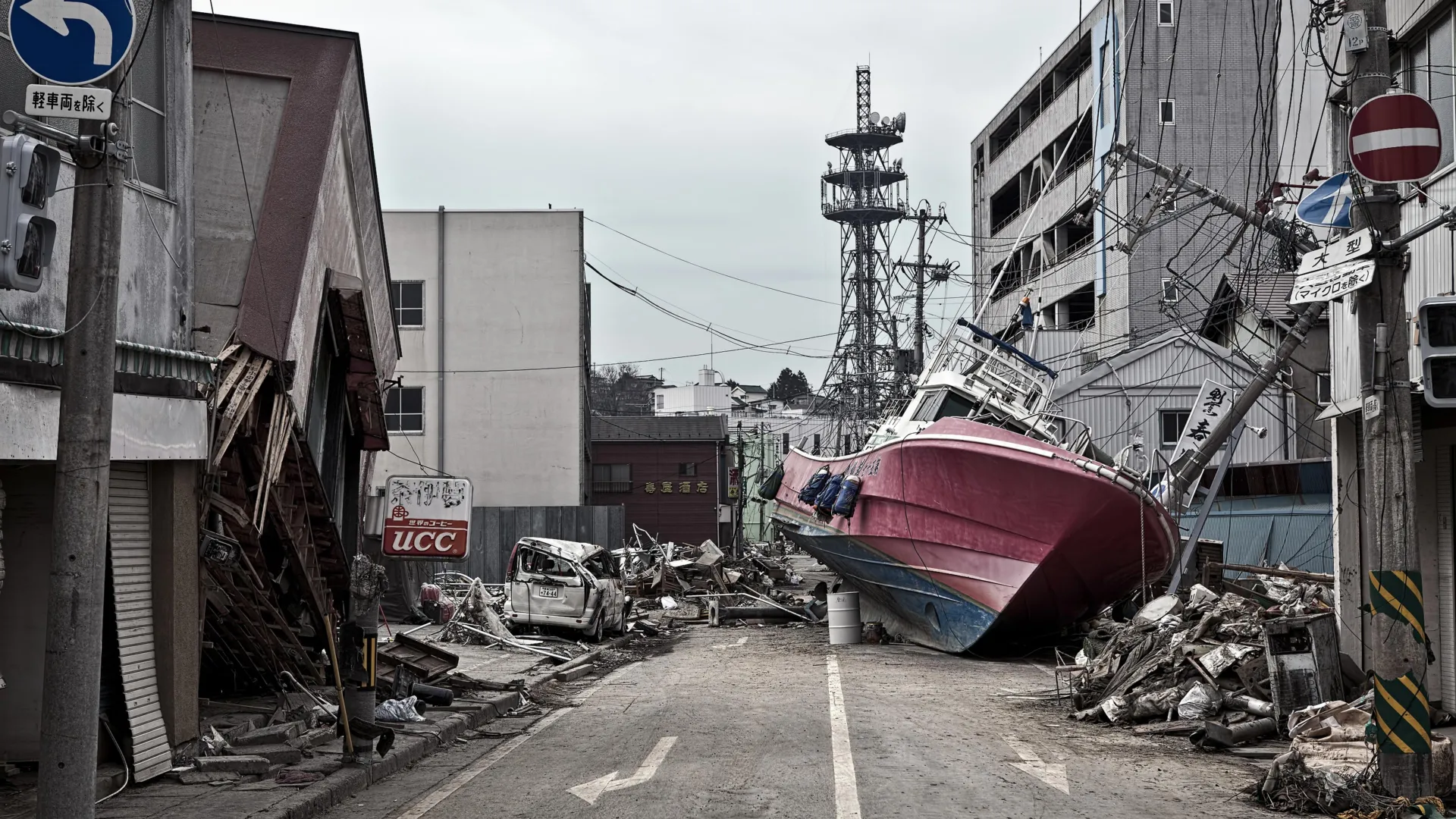
Scientists have made a groundbreaking discovery beneath the Pacific Ocean, shedding light on the extreme devastation caused by Japan's 2011 earthquake and tsunami. Through unprecedented deep-sea drilling, researchers identified a remarkably thin and exceptionally slippery layer of ancient clay. This geological feature played a crucial role in the catastrophic event. The clay layer facilitated the rapid propagation of the massive rupture directly to the seafloor. This direct connection to the ocean floor led to significant seafloor displacement. Consequently, this immense movement generated the exceptionally powerful tsunami that struck Japan. The findings offer a new understanding of the specific geological conditions that amplified the tsunami's destructive force.
This discovery highlights the critical role of geological formations in amplifying natural disasters. The identification of a specific clay layer as a facilitating factor for the 2011 tsunami's intensity underscores the importance of detailed subsurface geological mapping for disaster preparedness. Understanding such vulnerabilities can inform future infrastructure development and early warning systems in seismically active regions. By analyzing the mechanics of past events, we can better anticipate and mitigate the impact of future geological hazards, considering the long-term interplay between tectonic activity and subsurface material properties.
AI-generated to prompt reflection — not editorial opinion, not advice, not a statement of fact. How this works.