Ocean Glows Neon Blue in Niterói Due to Bioluminescent Plankton
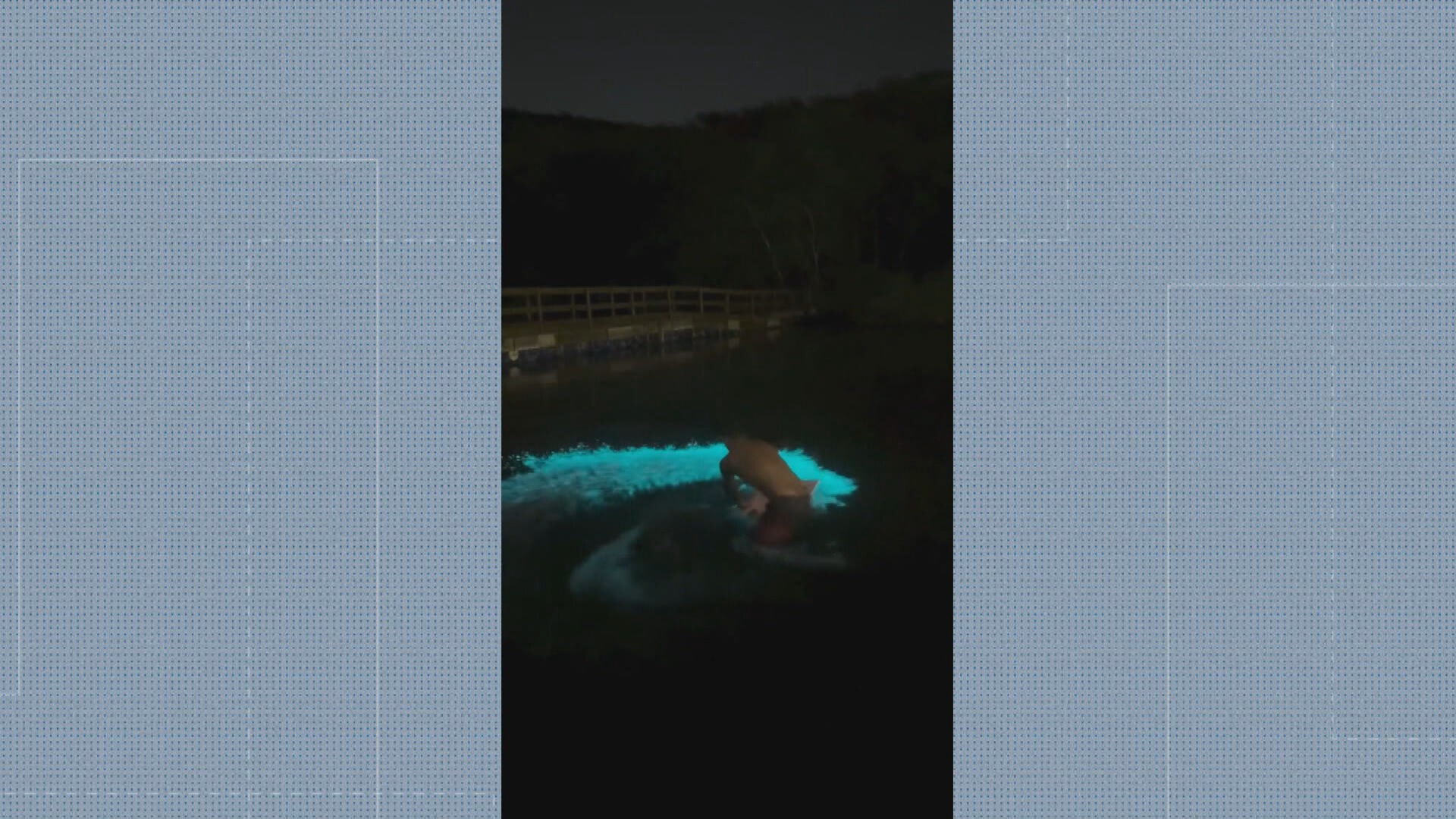
The waters of Piratininga Beach in Niterói, Brazil, recently exhibited a striking neon blue glow at night, captivating beachgoers and locals. This natural spectacle is caused by bioluminescent plankton, a phenomenon known as bioluminescence. The effect typically occurs in areas with minimal light pollution, calm and clean waters, where microscopic organisms emit light when disturbed by waves, or through contact with people and animals. Biologist Maria Eduarda Louro explained that the glow is produced by plankton cells that are stimulated to emit light when the water is agitated. She further clarified that bioluminescence occurs naturally for various reasons, including defense, hunting, or social interaction among organisms. Louro emphasized that this phenomenon poses no risk to human health or the environment. The event was documented and shared, drawing attention to the beauty of natural occurrences.
The bioluminescent event in Niterói highlights a fascinating natural process that can be amplified by specific environmental conditions, such as reduced light pollution and water quality. While visually stunning, such phenomena can also serve as indicators of marine ecosystem health. Future observations could explore correlations between plankton blooms, water nutrient levels, and human activity. Understanding the triggers for intensified bioluminescence may offer insights into managing coastal environments and preserving these natural displays against potential ecological shifts driven by climate change or pollution.
AI-generated to prompt reflection — not editorial opinion, not advice, not a statement of fact. How this works.