Ocean Temperatures Hit Record Highs, Signaling Arrival of New Species and Extreme Weather
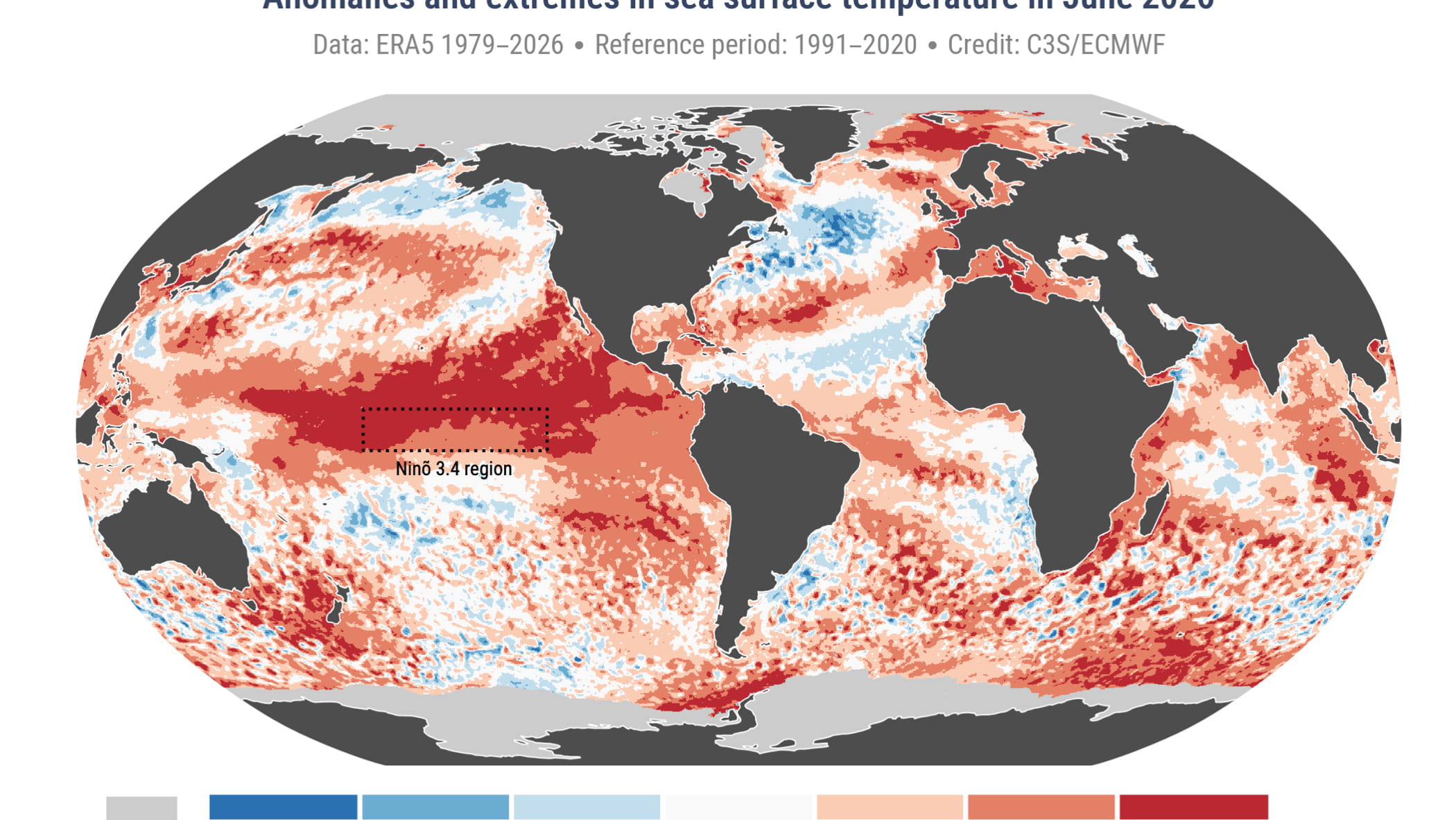
June 2023 marked a new record for global ocean surface temperatures, reaching an average of 20.86 degrees Celsius, according to the Copernicus report. This alarming rise is occurring concurrently with the intensification of the El Niño phenomenon. The sustained warming of marine environments is predicted to lead to significant ecological shifts, including the introduction of new, non-native species into marine ecosystems. These 'alien' species could disrupt existing food webs and biodiversity. Furthermore, the elevated ocean temperatures are a key driver of extreme weather events. Scientists anticipate an increase in the frequency and intensity of phenomena such as hurricanes, heavy rainfall, and heatwaves. The combination of record heat and El Niño creates a volatile climate system with far-reaching consequences for coastal communities and global weather patterns.
The unprecedented rise in ocean surface temperatures, documented by Copernicus and coinciding with El Niño's intensification, highlights a critical feedback loop within Earth's climate system. This sustained thermal stress on marine ecosystems not only threatens biodiversity through species migration and potential disruption but also acts as a significant energy source for atmospheric disturbances. The implications extend beyond ecological balance, directly influencing the probability and severity of extreme weather events globally. Future climate governance will need to address these interconnected physical and biological systems, considering the long-term impacts on both natural environments and human infrastructure, and potentially recalibrating risk assessments for coastal and vulnerable regions.
AI-generated to prompt reflection — not editorial opinion, not advice, not a statement of fact. How this works.