Ocelot Kitten Rescued After Being Found Alone on a Rural Road in Mato Grosso
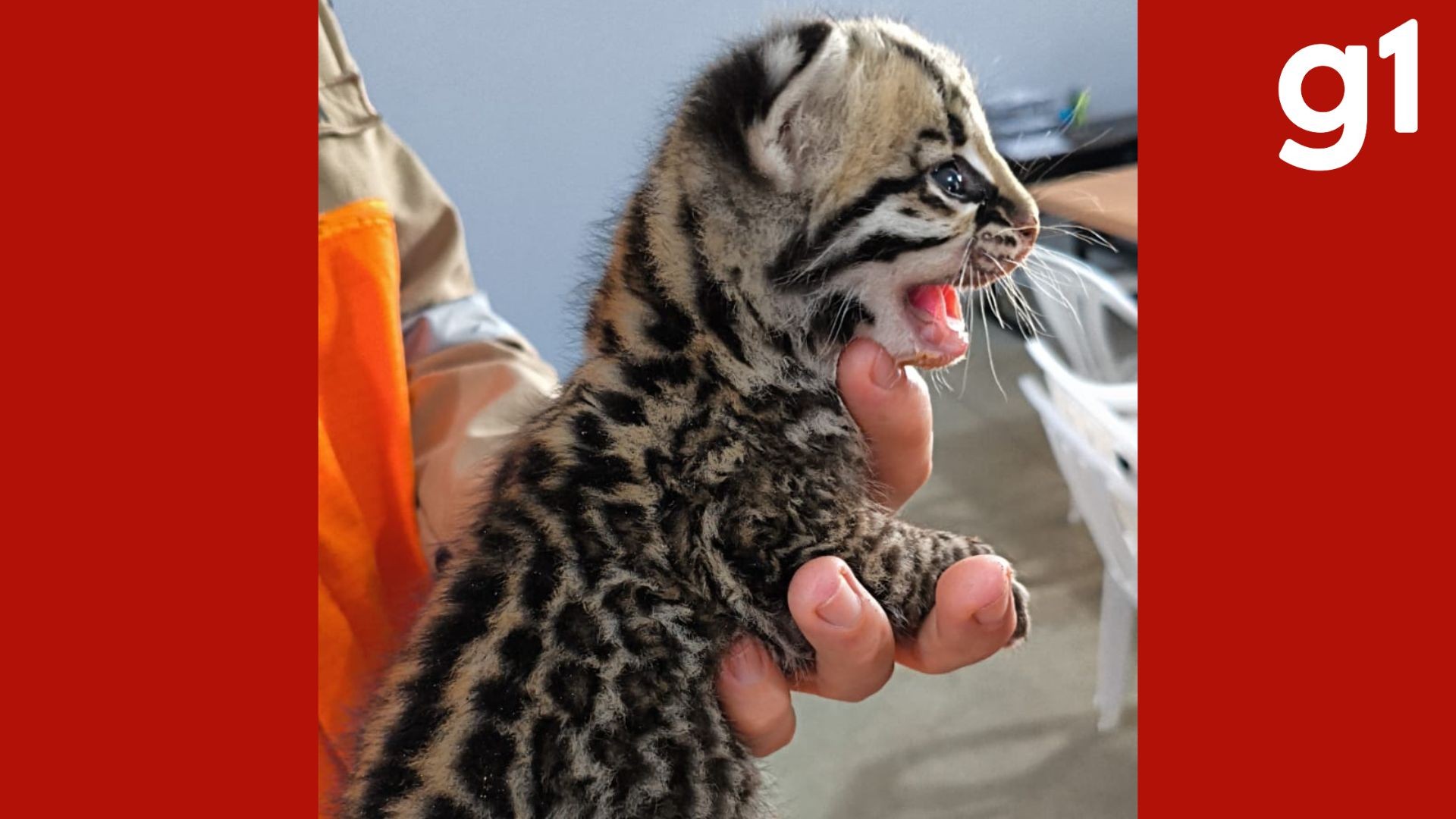
A young ocelot was rescued after being discovered alone on a rural road in Peixoto de Azevedo, Mato Grosso, on Tuesday, May 30th. A local resident found the kitten and brought it to the Military Firefighters' barracks in Matupá for immediate care. The resident collected the animal to ensure its safety until it could be handed over to the 6th Independent Military Firefighter Platoon. The firefighters transported the ocelot using specialized techniques and equipment to minimize stress and preserve its well-being. Subsequently, the ocelot was transferred to the State Secretariat of Environment (Sema) for a health assessment, necessary care, and to determine its rehabilitation and appropriate future placement. The primary threats to ocelots, according to the Chico Mendes Institute for Biodiversity Conservation (ICMBio), are habitat loss and fragmentation, which reduce forest areas and can isolate populations, impacting genetic diversity and survival. While ocelots can be found in agricultural areas, they rely on remnants of native vegetation. These medium-sized, solitary, nocturnal animals feed on rodents, reptiles, birds, and fish. Domestic dogs also pose a threat through disease transmission and competition for resources. Road accidents and conflicts with domestic poultry farmers are additional dangers, with an estimated 112 ocelots being run over annually on paved roads in São Paulo alone. Historically, illegal fur trade significantly reduced ocelot populations before protective measures were implemented.
The rescue of this ocelot kitten highlights the ongoing challenges faced by wildlife in human-dominated landscapes. Habitat fragmentation, a key threat identified by ICMBio, directly leads to increased human-wildlife encounters, such as this kitten being found alone near a road. This situation underscores the critical need for robust land-use planning that preserves and connects natural habitats, mitigating risks like roadkill and human-wildlife conflict. As urbanization and infrastructure development continue, proactive conservation strategies that integrate ecological corridors and minimize habitat disruption will be essential for the long-term survival of species like the ocelot in the face of evolving environmental pressures.
AI-generated to prompt reflection — not editorial opinion, not advice, not a statement of fact. How this works.