Odesa Region: Environmental Monitoring Increased After Ship Sinking
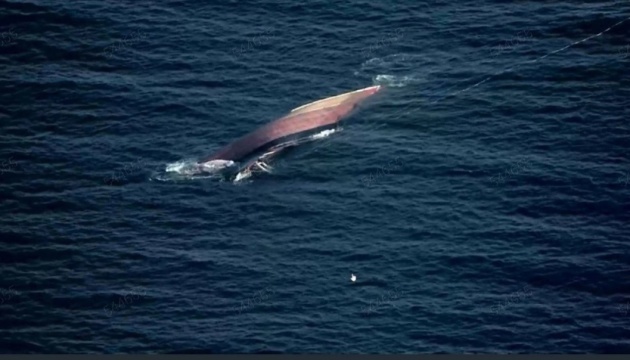
Following the sinking of the dry cargo ship Golden Leo near Odesa, environmental monitoring along the Black Sea coast has been intensified. The vessel was struck by a Russian attack on July 19 as it was departing a port in the Odesa region. The incident has prompted increased vigilance regarding potential environmental impacts. Authorities are now closely observing the coastal areas for any signs of fuel leakage into the sea. The focus is on preventing and mitigating any ecological damage that may arise from the sunken ship. This measure aims to safeguard the marine environment and coastal ecosystems. The increased monitoring is a precautionary step to address potential pollution risks.
The sinking of the Golden Leo, attributed to a Russian strike, highlights the significant environmental risks associated with military actions in maritime zones. Increased ecological monitoring is a necessary response to potential fuel leaks, underscoring the complex interplay between geopolitical conflict and environmental security. This event serves as a stark reminder of the long-term consequences that can extend beyond immediate military objectives, impacting marine ecosystems and coastal communities for years to come. Future strategies for conflict resolution in strategically important maritime areas must increasingly integrate robust environmental protection protocols to mitigate such risks.
AI-generated to prompt reflection — not editorial opinion, not advice, not a statement of fact. How this works.